Top Benefits Of Using A Food Serving Trolley With Wheels In Restaurants
You are here: Home » News » Products News » Top Benefits Of Using A Food Serving Trolley With Wheels In Restaurants

Views: 6 Author: Site Editor Publish Time: 2026-03-06 Origin: Site


Why do busy restaurants serve faster than others? Often, it comes down to smarter tools. A food serving trolley or Housekeeping Cart helps staff move dishes quickly and safely.In this article, we explore how these carts improve efficiency, food quality, and dining presentation in modern restaurants.
In busy restaurants, staff constantly move between the kitchen and the dining area. Carrying trays by hand limits the number of dishes they can transport at one time.
A food serving trolley or Housekeeping Cart solves this problem by allowing several plates, drinks, and service items to move together. Staff load meals onto different shelves and deliver them in one smooth trip.
Restaurants rely on quick table turnover to maintain profitability during busy hours. Clearing dishes by hand slows the process and forces staff to make several trips. When a Housekeeping Cart or food service trolley is used, servers can collect multiple plates, bowls, and glasses in a single pass.
This faster clearing process allows staff to prepare tables quickly for new guests. Once the dishes are transported to the kitchen area, servers return immediately to reset the table and welcome the next group. The workflow becomes more organized and predictable, which improves the entire service operation.
Operational improvements commonly seen after introducing service trolleys include:
● Reduced walking distance for servers during busy service hours
● Faster clearing of large tables after group dining
● Improved coordination between kitchen staff and dining staff
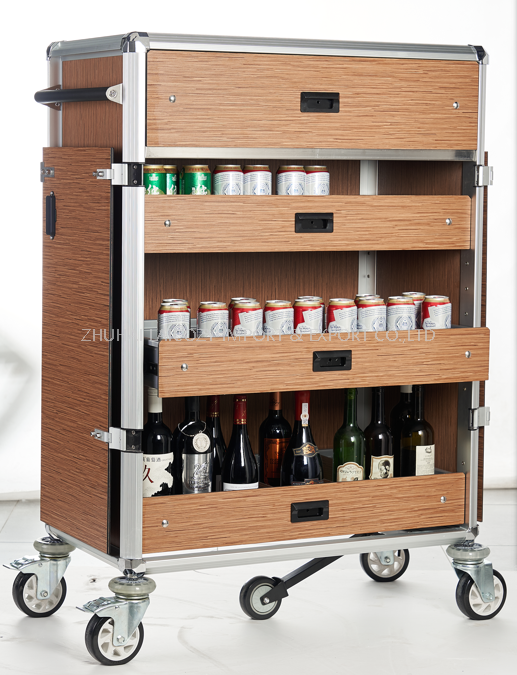
Modern Housekeeping Carts and food serving trolleys function as mobile workstations rather than simple transport tools. Multi-tier shelving systems allow restaurants to organize items efficiently. Plates, drinks, utensils, and condiments remain separated on different levels, which simplifies service tasks.
Common structural features of restaurant service trolleys include durable frames, stable guard rails, and smooth commercial wheels. Hospitality suppliers such as LAICOZY, known for providing integrated hotel and restaurant equipment solutions worldwide, often design carts with these practical features to support daily operations.
Trolley Feature | Operational Advantage | Restaurant Impact |
Multi-tier shelves | Separates dishes, drinks, and utensils | Improves organization during service |
Guard rails | Prevents items from sliding or falling | Reduces food spills and accidents |
Heavy-duty wheels | Allows smooth movement across floors | Saves staff effort and time |
Durable frame materials | Supports heavy loads in busy environments | Ensures long-term equipment use |
Food quality depends strongly on temperature control. Guests expect soup to arrive hot. They expect salads or desserts to remain fresh and cool.
Many restaurants use specialized service carts designed for temperature-sensitive meals. These trolleys include insulated panels or thermal compartments. They slow down heat loss while staff move between the kitchen and dining area.
Several operational advantages appear when restaurants rely on temperature-friendly trolley systems:
● Consistent serving temperature
Multi-tier trolleys allow hot dishes to stay grouped together while cold foods remain separated. Staff move quickly from the kitchen to the dining room, which keeps meals closer to their ideal temperature when they reach the table.
● Better coordination between kitchen and service staff
Chefs often prepare several plates at once for a table. A trolley allows servers to collect all dishes simultaneously instead of carrying them individually. Meals arrive together, which protects both food quality and timing.
● Reduced waiting time during large orders
Banquet tables or family groups often require multiple plates. A trolley enables servers to transport everything in one trip. Guests receive their food sooner and temperature consistency improves.
Temperature Control Feature | How It Works | Restaurant Benefit |
Insulated compartments | Retain heat or cold during transport | Maintains food freshness |
Multi-tier shelf separation | Hot and cold items stored separately | Prevents temperature mixing |
Faster transport mobility | Smooth wheels shorten delivery time | Meals reach guests quickly |
Durable trolley materials | Resist heat and moisture | Reliable performance in kitchens |
Presentation matters as much as flavor. A beautifully plated dish can lose its appeal if it shifts during transport. Carrying several trays by hand increases the risk of tilting plates, spilling sauces, or disturbing delicate garnishes. A Housekeeping Cart or food serving trolley provides a stable platform where dishes remain level while staff move through the dining room.
Food service teams often rely on trolley organization to maintain presentation quality:
● Structured plate arrangement
Staff place appetizers, main dishes, and desserts on separate levels. This simple organization prevents plates from touching or sliding into one another during movement.
● Reduced spill risks
Stable trolley shelves prevent drinks or soups from tipping while the cart moves through narrow aisles or crowded dining areas.
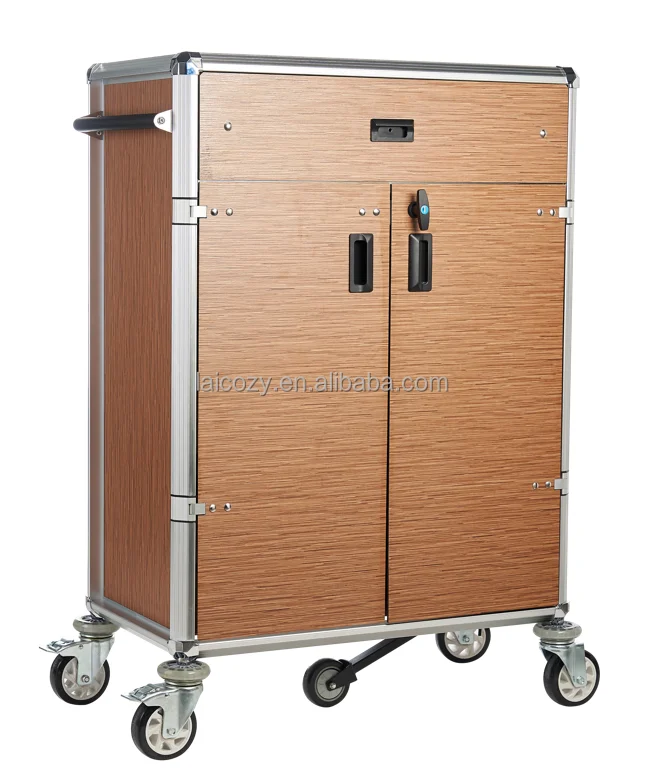
In a restaurant, guests notice more than food flavor. They also observe how the service looks and feels. A food serving trolley or Housekeeping Cart helps staff present meals in a more organized and professional way.
Instead of carrying plates in several trays, servers arrange everything neatly across different trolley shelves. Drinks stay separated from hot dishes. Utensils remain easy to reach. The service process appears smooth and coordinated.
Restaurants often organize their service carts in a simple structure:
● Top shelf for plated meals
Staff place ready dishes on the top level so they are easy to serve. Plates remain visible and balanced. This helps servers deliver food quickly once they arrive at the table.
● Middle shelf for beverages or desserts
Drinks, wine glasses, or small dessert plates stay on the middle tier. It prevents liquids from mixing with main dishes. The separation also reduces accidental spills.
● Lower shelf for utensils and service supplies
Extra cutlery, napkins, and condiments remain accessible on the bottom level. Staff can quickly grab what they need without returning to the kitchen.
Service Organization Element | How It Improves Presentation | Guest Perception |
Structured shelf layout | Separates dishes, drinks, and tools | Clean and professional service |
Balanced trolley surfaces | Prevents plates from shifting | Food arrives neatly presented |
Smooth trolley movement | Quiet and stable transport | Calm and efficient service flow |
Durable hospitality design | Maintains polished equipment appearance | Builds trust in restaurant quality |
Food service today is not only about delivering meals. Many restaurants try to create memorable dining experiences. A Housekeeping Cart or food serving trolley helps bring cooking and presentation closer to the guest’s table. It allows chefs or servers to perform small finishing tasks directly in front of customers.
Some common examples of trolley-based tableside service include:
● Carving service for roasted meats
Servers bring a trolley carrying roasted meats and carving tools. They slice portions directly at the table, which adds freshness and personal attention for guests.
● Flambé dessert preparation
Certain desserts are finished beside the table using controlled flame techniques. The trolley provides a safe surface for ingredients and cooking equipment.
● Cheese or dessert presentation carts
Restaurants display several options on a rolling trolley. Guests can view the selection and choose their preferred item immediately.
Tableside Service Type | Trolley Role | Guest Experience |
Meat carving service | Holds carving tools and trays | Personalized meal service |
Flambé dessert preparation | Provides stable cooking surface | Interactive culinary moment |
Cheese or dessert display | Organizes multiple options | Visual and engaging selection |
Cleanliness plays a major role in restaurant operations. Guests expect strict hygiene standards during food preparation and service. A food serving trolley or Housekeeping Cart helps restaurants maintain those standards because most commercial carts are made from materials designed for frequent cleaning and long-term durability. Stainless steel and aluminum are common choices. They resist corrosion and do not absorb liquids or food particles easily.
Hygienic trolley materials also provide several practical advantages during daily restaurant operations:
● Non-porous surfaces for easy cleaning
Stainless steel or coated aluminum surfaces do not trap moisture or food particles. Staff can disinfect the trolley quickly after each service cycle. This helps restaurants meet strict hygiene expectations from both customers and regulators.
● Resistance to corrosion and kitchen moisture
Restaurant environments often involve heat, steam, and cleaning chemicals. High-quality trolley materials remain stable under these conditions. They maintain their structure even after long-term commercial use.
● Odor and stain resistance
Unlike porous materials, stainless steel does not retain odors from food or liquids. The trolley stays fresh and professional looking even after heavy service periods.
Hygiene Material Feature | Practical Function | Restaurant Benefit |
Stainless steel surfaces | Non-porous and easy to sanitize | Supports strict hygiene practices |
Aluminum frames | Corrosion resistant | Durable in humid kitchen environments |
Smooth trolley panels | Prevent food residue buildup | Faster daily cleaning routines |
Commercial-grade finishes | Resist stains and odors | Maintains clean professional appearance |
Restaurant environments can become crowded quickly. Servers often move through narrow aisles while carrying hot dishes and fragile glassware. The structure of the trolley improves service safety in several ways. Guard rails along the edges prevent plates or glasses from sliding. Wide shelves keep trays balanced during movement. Smooth wheels allow controlled motion even when the trolley carries several dishes at once.
Safety improvements appear clearly during busy service hours:
● Stable transportation of heavy dishes
Staff place trays securely on trolley shelves instead of balancing them by hand. It reduces the risk of dropping plates while walking across the dining area.
● Lower chance of beverage spills
Drinks remain upright on a flat surface while the trolley moves. Even when servers stop suddenly, guard rails help prevent items from sliding.
● Safer movement in crowded dining rooms
When servers carry fewer items by hand, they maintain better balance and visibility. This reduces collisions between staff and guests.These design features allow restaurants to maintain a calm and controlled service environment.
Ergonomic trolley design focuses on making movement smooth and comfortable. Large wheels roll easily across restaurant floors. Balanced handles allow servers to push or guide the trolley without excessive force. This simple equipment adjustment significantly improves working conditions for service teams.
Key ergonomic benefits for restaurant staff include:
● Reduced lifting and carrying effort
Servers load plates and supplies onto trolley shelves instead of holding them for long periods. This prevents arm and shoulder strain during busy service shifts.
● Improved mobility during large orders
When serving large tables or banquets, staff can transport many dishes in one trip. They avoid multiple heavy lifts between the kitchen and dining area.
● Better posture while working
Trolley handles allow staff to push the cart naturally while walking. This helps maintain balanced body movement throughout the shift.
Food serving trolleys improve speed, safety, and service flow in restaurants. They help maintain food temperature, protect presentation, and reduce staff fatigue. Laicozy provides durable housekeeping carts and trolley solutions designed for hospitality efficiency and professional dining service.
A: A Trolley With Wheels moves dishes and supplies easily. A Housekeeping Cart helps staff transport meals quickly.
A: A Housekeeping Cart reduces trips between kitchen and tables. It improves service speed and workflow.
A: A Housekeeping Cart keeps dishes stable during transport. It protects presentation and reduces spills.
A: Yes. A Housekeeping Cart organizes service tools and helps small teams work efficiently.
A: Prices vary by design and materials. A Housekeeping Cart offers long-term efficiency value.