Complete Hotel Project Guide for Developers

Views: 8 Author: Site Editor Publish Time: 2026-07-22 Origin: Site


Table of Contents
You want your hotel project to do well. Many developers have trouble because they skip important steps or do not set clear goals. About half to most hotel technology projects do not reach their first goals. Some usual problems are not having clear goals, changing plans too much, and bad teamwork between technology and people. A guide with steps helps you see what to do. Good hotel project planning helps you stop expensive errors. Pick full solutions like Laicozy to make each part of your project easier and get better results.
Make clear goals for your hotel project. This helps you avoid mistakes and reach success.
Pick the best team for each part of the project. This makes talking and working together easier.
Do careful market research. This helps you know what people want and find chances for your hotel.
Write a detailed feasibility study. This can bring in investors and make sure your project fits what the market needs.
Use strong project management steps. This keeps your hotel building on time and saves money.
Think about guest experience and comfort in your design. This builds a good reputation and makes people want to come back.
Follow local rules and get needed permits. This stops expensive delays.
Use technology and smart ideas. This makes things work better and makes guests happier.
You need a simple guide to help your hotel project. Each stage helps you plan and avoid big mistakes. Here are the main phases and how long they take:
Phase | Duration |
|---|---|
Pre-construction | 3–9 months |
Light cosmetic renovation | 6–9 months total |
Medium-scale renovation | 9–15 months total |
Full renovation or repositioning | 12–24 months overall |
Construction (full renovation) | 6–12+ months |
You must pick the right team for each stage. This guide shows you how to find experts in hospitality, architecture, engineering, finance, law, and project management. Contractors and designers must work well together. Good communication helps your project stay on track and lowers risks. If you follow the guide, you build a strong base for your hotel.
Tip: Use a hotel development strategy with regular team check-ins. This keeps everyone focused and helps you find problems early.
You cannot succeed alone. You must know who helps your hotel project and what they do. The table below shows the most important stakeholders and their jobs:
Quadrant | Stakeholder Type | Role in Project Success |
|---|---|---|
High influence, high importance | CEO and Senior Executives | Critical to project success; their decisions impact overall direction. |
High importance, low influence | Marketing team | Important for promoting the project; limited influence on development. |
Low influence, low importance | External contractors for non-critical features | Minimal impact; involved in non-critical tasks. |
High influence, low importance | Regulatory Authorities | Can halt project due to compliance issues; low interest in project details. |
You must keep CEOs and senior executives involved. Their choices guide your hotel project. Regulatory authorities can stop your project if you miss compliance. Marketing teams help you reach guests, but do not shape the project. You need to manage each stakeholder carefully to succeed.
You want your hotel project to be great. You must focus on what makes it successful. Experienced hotel construction contractors make your project safer and easier. You need to care about guest comfort, operational efficiency, brand standards, and regulatory compliance. Long-term maintenance costs are important, too.
Guest comfort builds your reputation.
Operational efficiency saves money and time.
Brand standards keep your hotel the same everywhere.
Regulatory compliance protects your investment.
Accurate cost forecasting stops budget overruns.
Industry data shows that almost half of big construction projects go over budget. You must use this guide to plan well and control costs. If you follow these success factors, you build a hotel that guests like and investors trust.
Note: Pick partners like Laicozy for turnkey solutions. This makes your hotel project easier and helps you reach your goals faster.
You need to start your hotel project with good market research. This helps you guess how many guests will come. It also helps you avoid expensive mistakes. You must check different things to see if your hotel will do well.
Learn about the people who visit your area. Look at their age, income, and how they travel. Check if more tourists come each year. Talk to local businesses about their needs for guest rooms. Find out if events or attractions bring visitors. Use market research to see trends and chances for growth.
Count the hotels in your area. Check how full they are.
Find out what brings people to your region, like festivals or tourist spots.
Look at old occupancy numbers to see if demand changes.
Watch for new events or changes that could bring more guests.
You need to know about other hotels nearby. Study what they do well and what they do badly. Visit their hotels and see what guests like or dislike. Compare their prices, amenities, and reviews. Use market research to find things missing in the market. If you find something your competitors do not offer, you can get more guests.
Competitor Name | Star Rating | Occupancy Rate | Unique Features |
|---|---|---|---|
Hotel A | 4 | 85% | Rooftop pool |
Hotel B | 3 | 78% | Free breakfast |
Hotel C | 5 | 90% | Spa & wellness |
Tip: You can stand out if you offer something your competitors do not have.
Pick a location that matches your hotel’s goals. Where you build your hotel matters a lot. You must look at different things before you choose.
Choose a place guests can reach easily. Check roads, public transport, and parking. Make sure your hotel is close to popular places or business centers. If guests find your hotel fast, you get more bookings.
Check zoning laws for your site. Make sure you can build a hotel there. Look at environmental rules and see if your site has risks like flooding or pollution. Following rules protects your investment.
Do your homework before you buy or build. Due diligence helps you find problems early. It also helps you avoid legal trouble.
Check the property title. Make sure there are no liens or fights over it. Look at all contracts and permits. Fix any problems before you move forward. Legal compliance keeps your project safe.
Inspect the site for dangers. Look for underground tanks or other issues. Negotiate terms that protect you. Careful due diligence helps your hotel stay safe in the future.
You need to plan your hotel project well. A good feasibility study gives you important facts. This helps you avoid problems and makes investors trust you. You want your hotel to do well, so check every detail.
Decide what your project will be. Know your goals.
Do market research. Find out if people want your hotel.
Check the location. Make sure it fits your plans.
Look at the money side. See if your numbers work.
Review legal rules. Avoid delays and fines.
Make a marketing and operations plan. Think about how to get guests and run your hotel.
A full feasibility study helps you get approval. You show lenders and partners you know the risks and rewards. This step matches your hotel with what the market needs. It helps you succeed.
You need to guess how much money your hotel will make. Look at local demand, room prices, and how full hotels are. Use data from other hotels nearby. Estimate income from rooms, food, and services. Good revenue forecasts help you plan your budget and get investors.
You must know your hotel costs before you start. List every expense, like land and furniture. Include permits, labor, and materials. Remember design fees and marketing. Good cost estimates keep your project on track and stop budget overruns.
You want to see if your hotel will make money. Financial modeling shows your returns and risks. This step helps you make smart choices and get funding.
You need to figure out your return on investment (ROI). Compare profits to total costs. A strong ROI brings in hotel investment and shows your project is good. Use simple math to see how long it takes to earn your money back.
You must test your numbers. Change your guesses and see what happens. If room prices drop or costs go up, will your hotel still do well? Sensitivity testing helps you find risks early. You can change your plans and protect your hotel.
You need money to build your hotel. Pick the right funding mix to lower risks and get better returns. Many projects use both debt and equity.
You can use bonds or long-term loans for your hotel. Banks often give loans for seven to ten years or more. They may ask you to provide 30-60% of the money yourself. This shows you believe in your project. Equity means you bring in partners who share risks and rewards. A balanced mix gives you flexibility and control.
You must build trust with your investors. Share clear plans and regular updates. Show them your feasibility study and financial models. Good communication keeps investors confident in your hotel. Strong relationships help you get more funding and grow your projects.
Tip: Careful planning and clear communication make your hotel project more attractive to lenders and investors. You build a strong base for long-term success.
You need a good team for your hotel project. Start by picking an architect and designer who get your ideas. They help make your hotel look nice and feel comfortable. Choose people who have worked on hotels before. They know how to mix style, comfort, and function.
Your architect turns your ideas into real plans. They make sure your hotel fits your brand and follows rules. A designer adds touches that make guests feel happy. Find people with hotel experience. Ask to see their old projects and how they fix problems.
Pick a contractor who finishes work on time and stays on budget. Choose someone who has built hotels before. Good contractors handle tough jobs well. You also need consultants for things like engineering, safety, and sustainability. These experts help you avoid big mistakes and keep your project safe.
A strong project manager leads your team. This person keeps everyone working together and solves problems fast. Pick someone who has managed hotel projects before. They must work well with finance, sales, and marketing teams. Leadership and problem-solving are important. The project manager makes sure your hotel moves forward without delays.
Clear roles help your team do their jobs better. Give tasks so everyone knows what to do. Hold regular meetings to share news. Good communication stops confusion and keeps your project on track. Use simple tools to check progress and share documents. When everyone talks, you avoid surprises.
Tip: A project manager with strong leadership can turn problems into chances. They help you finish your hotel on time and within budget.
You can make teamwork better with smart ideas. Try these tips to help your team:
Run workshops where team members switch jobs. This helps them understand each other.
Use challenges to practice solving real hotel problems together.
Hold creative sessions to design new guest experiences as a group.
Start each day with short team huddles to share updates.
Let staff shadow each other in different departments to learn new skills.
Celebrate teamwork with rewards and recognition.
Plan outdoor activities to build trust and solve problems in a fun way.
Schedule feedback sessions so everyone can share ideas and improve.
When you use these tips, your team gets stronger. You get better results at every step of hotel development. Developers who focus on teamwork build hotels that stand out and do well.
You make your hotel different by focusing on brand positioning early. Your design should match your brand’s story and values. Guests notice how your hotel looks and feels right away. A strong brand identity helps you attract the right guests and keep them coming back. You want your hotel to be unique, so use colors, materials, and layouts that show your brand. Early branding choices affect every part of your project and make marketing easier later.
You help guests remember their stay by focusing on their experience. First impressions are important. A nice lobby or room tells guests they will get comfort and quality. You should design spaces that feel welcoming and work well. When you add special touches, guests remember their visit and want to come back. Here are some trends that can make guests happier:
Smart room controls let guests change lighting and temperature for comfort and energy savings.
Multifunctional spaces help you meet different guest needs and use space well.
Ergonomic staff areas make service better and keep your team happy.
Memorable design features encourage guests to share their stay online.
Tip: Good design choices make guests feel special and help your hotel’s reputation.
You can save money and help the planet by picking sustainable design. Use eco-friendly materials and energy-saving systems. Guests like green practices and often choose hotels that care about the environment. Sustainable choices also lower your costs by reducing waste and saving energy. When you plan for sustainability, you show guests and investors you care about the future.
You must make your hotel easy for everyone to use. Good accessibility means all guests, including those with disabilities, can enjoy your spaces. Add ramps, wide doors, and clear signs. Put amenities where everyone can reach them. When you focus on accessibility, you welcome more guests and follow legal rules.
Smart space planning is an important part of hotel design. You use every square foot wisely, which helps guests feel comfortable and makes your staff work better. A good layout also cuts wait times and keeps daily operations running smoothly.
You want to get the most for your money. Value engineering helps you find ways to save without lowering quality. Review your plans and pick materials or methods that cost less but still meet your standards. This step helps you stay on budget and build a great hotel.
You keep your project moving with a clear schedule. Plan each step and set deadlines for your team. Use technology to track progress and spot delays early. Good scheduling helps you finish on time and avoid extra costs. Start with a solid plan, and you set your hotel up for success.
Note: Early planning, smart budgeting, and caring about sustainability make your hotel project smoother and more profitable.
You need permits and approvals before building your hotel. Local authorities make rules to protect your project and money. If you skip these steps, you may face delays and extra costs.
You must get installation licenses, building permits, and occupancy certificates. Every city or region has its own rules. Sometimes, new municipal codes change what you need, especially for accessibility and fire safety. If neighbors complain about noise, your work schedule may be limited. Missing a permit can stop your project and cost you money.
Risk Code | Description |
|---|---|
R-REG-001 | Delays in getting installation license can stop foundation work. |
R-REG-002 | Environmental agency may ask for more steps, raising costs and time. |
R-REG-003 | Municipal code changes can affect accessibility and fire safety rules. |
R-REG-004 | Municipality may limit work hours if neighbors complain about noise. |
R-REG-005 | Not getting occupancy permit on time can cause delays and extra work. |
Tip: Apply for permits early. Keep up with local rules to avoid surprises.
You must pass environmental inspections. Agencies may ask for extra steps for waste, recycling, and water use. If your area has strict laws, plan for these needs. Extra reviews can raise costs and take more time. Prepare your papers and ask experts for help to speed things up.
You need strong financing to build and open your hotel. Lenders and investors want clear plans and realistic budgets. If interest rates go up or construction costs change, you must adjust quickly.
You must show lenders your revenue forecasts and cost estimates. Banks check your cash reserves and renovation budgets. They also look at your management experience. Stricter rules and uncertain times can make approval harder. Work with experienced lenders to improve your chances.
Higher interest rates and debt costs make your budget harder.
Changing construction costs need careful planning.
Labor shortages can slow your project.
Stricter rules mean you need strong paperwork.
Uncertain economy affects travel and investor trust.
Note: Careful planning and expert help make financing easier.
You must prepare detailed papers for your loan application. Include your feasibility study, financial models, and project timeline. Lenders want real revenue projections and clear cost breakdowns. Bad paperwork or too-high forecasts can slow approval. Work with professionals to make sure your papers are correct.
Too-high revenue guesses may make lenders say no.
Not enough cash reserves show risk.
Missing renovation budgets cause delays.
Little management experience can hurt your chances.
Work with good lenders to solve these problems and get the money you need.
You must follow special legal rules for hotel projects. Environmental laws require strict waste and water use standards. Health and safety rules need fire safety systems, clean pools and gyms, and emergency plans. Clear contracts and franchise agreements protect your hotel and stop fights.
Environmental laws cover waste, recycling, and water use.
Health and safety rules include fire safety and sanitation.
Contracts must have clear terms for management and franchise operations.
Callout: Following legal rules builds trust with guests and investors. It protects your hotel from fines and keeps things running smoothly.
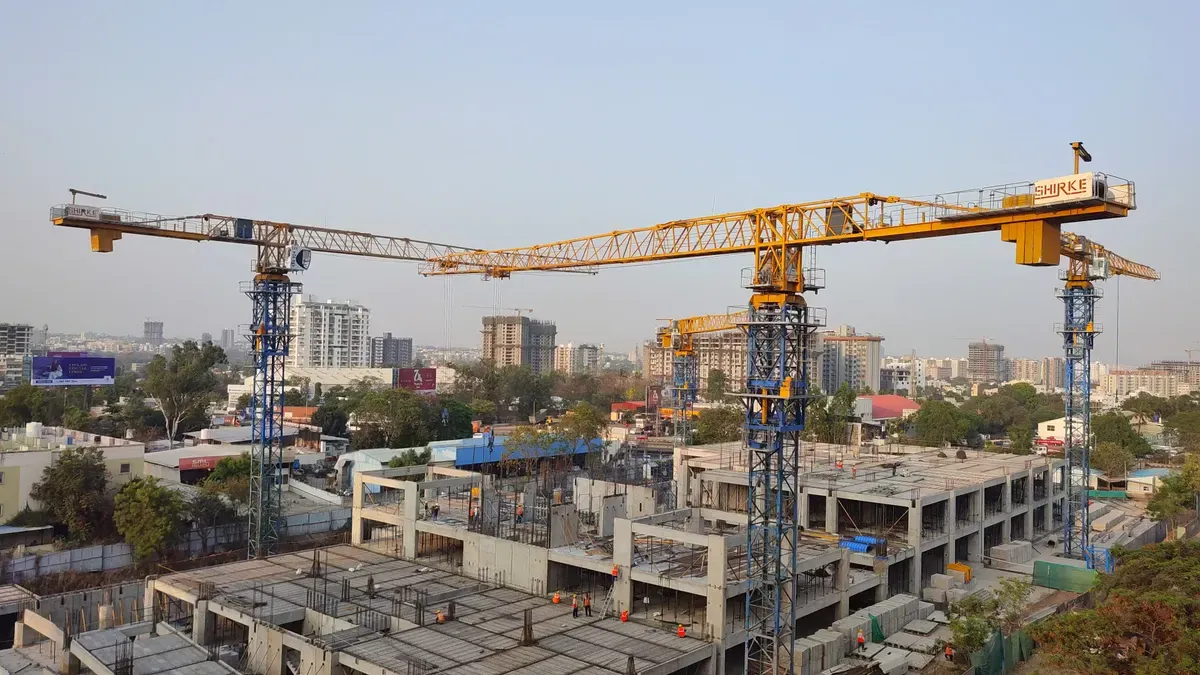
You need a guide to help you with hotel construction. Building a hotel is not like other projects. There are special problems and a lot to manage. You must plan each step to make your hotel a success.
Start with a good plan for construction. Hotel construction needs careful planning. You must organize your team and set clear goals. Think about the timeline and how each part fits together.
Get your site ready before building starts. Clear the land and check for any dangers. Set up water, power, and other utilities. Follow local rules to keep the site safe. Make sure the ground is strong for building. Plan for weather, soil, and how trucks get in. Start site prep early to stay on schedule.
Keep workers and guests safe at all times. Many people work on hotel construction. Put up safety signs and barriers. Make emergency plans for accidents. Train your team to follow safety rules. Check tools and keep the site clean. This lowers risks and keeps your project moving.
Tip: Training and safety checks help stop accidents and delays.
Hotel construction is harder than other projects. There are more details and higher standards. You must manage a tight timeline and many jobs at once. Look at the table below to see the differences:
Aspect | Hotel Construction | Other Commercial Construction |
|---|---|---|
Scale | Big projects with many rooms and floors | Usually smaller |
Complexity | Very complex with lots of features | Not as complex |
Owner Involvement | Owners pick out furniture and equipment | Owners may let others handle it |
Repeatability | Many tasks are repeated | Fewer repeated tasks |
Punch List | Lots of finishing work needed | Less finishing work |
Resource Management | Needs strong organization | May not need as much |
Purpose | Must do more than just give a place to sleep | Has a single main use |
You must watch every detail closely. Meet brand standards and make spaces for guests and staff. Manage your resources and keep your timeline on track.
Note: Laicozy gives you everything you need for hotel construction. You get furniture and services from one company. This helps you stay organized and finish faster.
Track your progress to stay on schedule. Set clear goals and check your work often. Use a guide to see how you are doing and fix problems early.
Check every part of your hotel for quality. Look at materials, finishes, and systems. Set standards for each job. Fix mistakes right away. Solve problems before they get bigger to keep moving forward.
Manage your time by setting deadlines. Use tools to see your progress. Hold meetings to share updates. Change your plans if you face problems. Keep your team working together and your project on track.
Set project goals and ways to measure progress.
Tell everyone how things are going and work as a team.
Review your plans and change them if new risks come up.
Callout: Checking progress often helps you finish on time and on budget.
You must handle changes during hotel construction. Delays can happen, so you need quick solutions. Use a guide to manage changes and keep your timeline steady.
Find out why delays happen and fix them fast. Look at your timeline and change your plans if needed. Talk to your team and partners to solve problems. Use Laicozy’s services to help you move forward.
Spot delays early and act quickly.
Talk with your team and suppliers.
Use flexible plans to stay on schedule.
Tip: Laicozy’s solutions help you handle changes and keep your project on track.
Use a hotel construction guide that covers every step. Plan, track, and manage your timeline. Solve problems and finish your hotel on time. Build a hotel that stands out and makes guests happy.
You want your hotel to be special. You need good furniture, amenities, and equipment. Picking trusted suppliers like Laicozy makes your project easier. Laicozy gives you everything for guest rooms, public spaces, and staff areas.
You must choose furniture that matches your hotel’s style. Your choices help guests feel comfortable and build your hotel’s reputation. Use these steps when picking hotel furniture:
Know what your project needs.
Check if suppliers are reliable.
Make sure materials are strong and last long.
Look at options for custom designs.
Watch your budget and costs.
Manage delivery times and shipping.
You want guests to feel happy and welcome. Pick beds, desks, and wardrobes that fit your brand. Choose furniture that looks nice and lasts a long time. Laicozy has furniture sets for luxury and budget hotels. You can pick styles that match your vision and needs.
You need furniture for lobbies, lounges, and meeting rooms. These spaces give guests their first impression. Choose sofas, chairs, and tables that make guests feel relaxed. Strong materials keep your hotel looking new. Laicozy offers stylish choices for public areas to help you create a unique look.
Tip: Good suppliers deliver on time and use quality materials. This makes guests happy and helps your hotel’s reputation.
You must get the right amenities for your hotel. These items help your staff and make guests feel better.
You need carts, cleaning tools, and laundry machines. These products help your team work faster and keep your hotel clean. Laicozy gives you strong carts and cleaning supplies to keep everything spotless.
You want your kitchen and bar to work well. Pick appliances, buffet setups, and bar tools that are safe. Laicozy has many F&B equipment choices to make your restaurant and bar run smoothly.
You must set up furniture and equipment quickly. This keeps your project moving and stops delays.
You need good project coordination. Laicozy’s turnkey solutions mix expert management with trusted suppliers. You save money, finish faster, and get steady quality. Laicozy works with your construction team to manage tasks and timelines. You avoid delays and make your hotel run better.
Benefit | How It Helps You |
|---|---|
Cost-Effectiveness | Saves money when buying in bulk |
Time Efficiency | Helps finish your project faster |
Consistent Quality | Keeps standards high |
Improved Management | Keeps your project organized |
Reduced Delays | Stops expensive setbacks |
Callout: Pick Laicozy for full project services. You make buying easier and build a hotel guests enjoy.
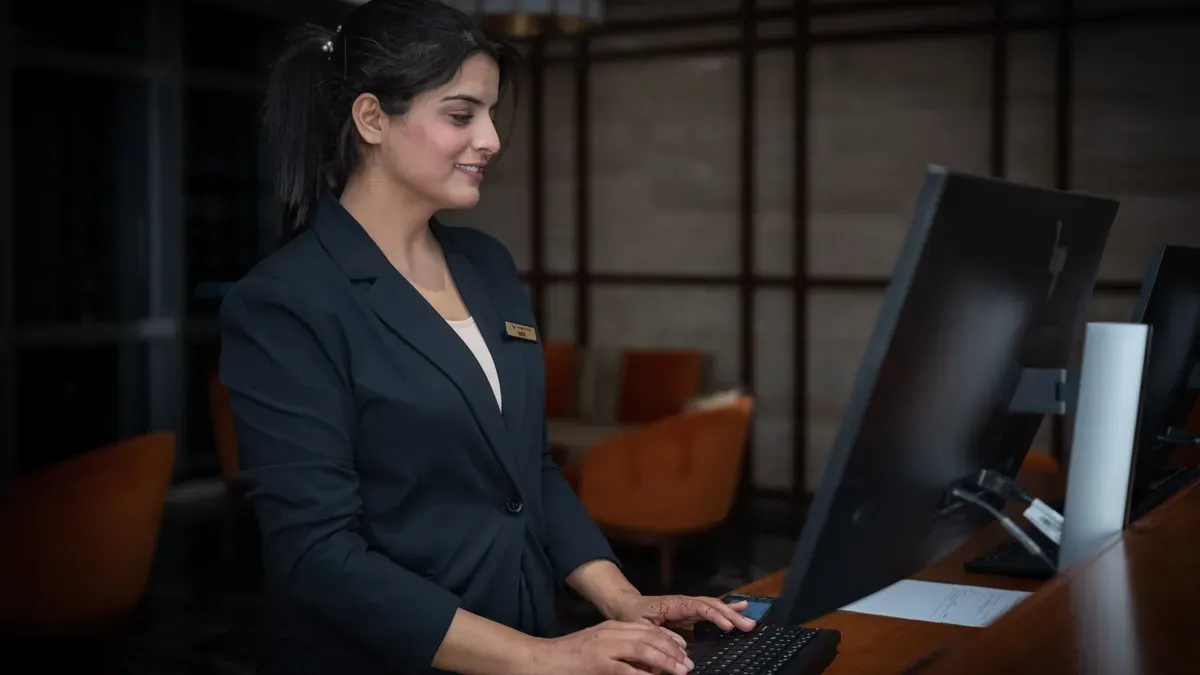
You need a strong team for your hotel opening. Hire people who care about service and know hotel management. Start early and write clear job descriptions. Interview candidates with hospitality experience and a good attitude. Train your staff before guests arrive. Good training helps your team give great service from the start. When you build a talented team, you raise service standards and make guests happier. This step is important for hotel development and long-term success.
You want your hotel project to stand out. A smart marketing plan helps you reach your target guests. Use digital channels, social media, and local partnerships to spread the word. Share your story and show what makes your hotel special. Plan special offers for your grand opening. Launch your marketing early to build excitement and get bookings. This step helps your hotel open well and brings in early revenue.
Tip: A good marketing plan and skilled team help your hotel launch smoothly and keep guests happy.
Key Steps for a Successful Hotel Opening:
Pick the best location for your hotel project.
Plan the guest experience from booking to checkout.
Build a marketing plan that attracts your ideal guests.
Put together a talented team for high service standards.
Each step shapes the guest experience and helps your hotel succeed.
You need strong hotel management systems to run your hotel well. Set up property management software for reservations, billing, and housekeeping. Use technology to track guest preferences and improve service. Good systems help you manage daily tasks and keep operations smooth. When you use the right tools, you support your team and make guests happier. This planning step is important for hotel development and ongoing success.
You want every guest to feel welcome and valued. Offer services like 24-hour reception, room service, and fast Wi-Fi. Train your staff to greet guests with a smile and solve problems quickly. Use feedback forms to learn what guests like and what needs improvement. Great guest services lead to positive reviews and repeat visits. Focus on these details to make your hotel opening successful and build a strong reputation.
You move from construction to daily operations with careful planning. Test all systems before opening day. Walk through the hotel to check rooms, amenities, and safety features. Hold practice runs with your staff to fix any issues. Work with your hotel management team to set clear roles and routines. Stay flexible and ready to solve problems fast. When you manage this transition well, you start your hotel project smoothly and build a strong base for long-term growth.
Note: Careful development and strong hotel management help you achieve a successful hotel opening and lasting success.
You want your hotel construction to finish on time and within budget. You need to control risks and manage costs at every step. If you ignore these areas, your project can face big problems. Smart planning helps you avoid surprises and protect your investment.
You face many risks during hotel construction. Weather delays, labor shortages, and supply chain issues can raise your costs. Sometimes, mistakes in design or poor-quality work force you to spend more money. You must watch for safety problems that can stop work and increase costs. If you do not plan for these risks, your costs can rise quickly.
Market risks can also affect your costs. If demand drops or new competitors open nearby, you may not earn as much as you planned. Changes in travel trends or local events can lower your revenue. You must study the market often to spot these risks early. If you act fast, you can adjust your costs and protect your profits.
Insurance protects you from unexpected costs. You should get coverage for property damage, accidents, and delays. Good insurance helps you pay for repairs or lost time without hurting your budget. Review your policies often to make sure you have enough coverage for your hotel construction.
Strong contracts help you control costs. Write clear terms with your contractors and suppliers. Include rules for quality, deadlines, and payment. If you set penalties for delays or poor work, you can avoid extra costs. Good contracts keep everyone focused on your goals and protect your project from disputes.
Tip: Review your contracts with a legal expert before you sign. This step can save you from costly mistakes.
You must track your costs every week. Use simple tools or software to record every expense. Compare your actual costs to your budget. If you see costs rising, act fast to fix the problem. Regular tracking helps you spot waste and keep your hotel construction on track.
Change orders can raise your costs if you do not manage them well. Only approve changes that add real value to your project. Write down every change and update your budget right away. Talk with your team before making big changes. Careful control of change orders keeps your costs low and your project moving forward.
Callout: You can control costs and reduce risk by planning ahead, using strong contracts, and tracking every dollar. Choose partners who help you manage costs, like Laicozy, to make your hotel construction a success.
Smart solutions can change how hotels are built. Automation and IoT help hotels work better and faster. You can control lights, temperature, and security from one place. Guests use keyless entry and smart room controls. Staff use sensors to check supplies and fix problems early. These tools save time and cut down on mistakes. You make guests happier and spend less money.
You want your hotel to use less energy and save money. Smart thermostats and LED lights lower your bills. Automated systems turn off lights and air conditioning in empty rooms. You watch energy use live and find waste fast. These steps help the planet and attract guests who like green hotels. Energy efficiency is now important for hotel projects.
Digital marketing helps your hotel project succeed. Online booking engines let guests book rooms anytime. You reach more people and fill more rooms. Add your booking system early in the project. This lets you test and fix problems before opening. You make the guest journey easy from the start. Early setup also gives you a jump in the market.
You must protect your hotel’s reputation. Guests read reviews before booking. Use tools to track feedback and reply quickly. Thank happy guests and help unhappy ones. Good reviews bring more bookings and build trust. Set up these systems during development to start strong.
Tip: Use property management systems and booking engines early. Test and set up everything before opening. This makes moving to operations easy and stress-free.
You want your hotel to stay ahead in the future. Pick technology that can grow with your business. Update your systems as new trends come. Train your team to use new tools and learn fast. Future-proofing keeps your hotel ready for change. You protect your investment and make your hotel last longer.
Innovation | Benefit for Hotel Development |
|---|---|
Automation & IoT | Faster service, fewer mistakes |
Energy Efficiency | Lower costs, greener image |
Digital Marketing | More bookings, better reputation |
Future-Proofing | Long-term success, easy upgrades |
Smart hotel development helps you lead the market. Invest in technology now and see your project do well.
You must pass health and safety inspections before you open your hotel. Inspectors check fire alarms, emergency exits, and sanitation. You need to show that your hotel meets all local codes. Test every system. Walk through each guest room and public area. Fix any problems right away. When you pass these checks, you protect your guests and your business.
Tip: Create a checklist for health and safety. Review it with your team every day until you pass inspection.
You want your hotel to match your brand’s standards. Brand inspectors look at design, amenities, and service. They check if your hotel follows the brand’s rules. Prepare all documents and photos. Walk through the hotel with the brand team. Listen to their feedback. Make changes quickly. When you earn brand approval, you can use the brand name and attract loyal guests.
You need a strong plan for your grand opening. Pick a date that gives you enough time to prepare. Invite local leaders, media, and business partners. Offer tours and special deals. Show off your hotel’s best features. Take photos and share them online. A great opening creates excitement and brings in your first guests.
Grand Opening Checklist:
Set the date and send invitations
Train your staff for the big day
Prepare special offers for guests
Decorate the hotel entrance and lobby
Plan a welcome speech
Callout: A well-planned grand opening builds buzz and fills your rooms fast.
You want people to talk about your hotel. Use public relations to spread the word. Write press releases and send them to local news. Share your story on social media. Partner with influencers and travel bloggers. Offer media tours and free stays. Good PR brings attention and bookings.
PR Tool | How It Helps You |
|---|---|
Press Release | Reaches news outlets |
Social Media | Connects with travelers |
Influencer Visit | Builds trust with guests |
Media Tour | Shows off your property |
You must review your hotel after opening. Walk through the property with your team. Ask guests for feedback. Check if systems work well. Fix any problems fast. Meet with your staff to talk about what went well and what needs work. Use this review to improve service and operations.
Note: A strong post-opening review helps you keep guests happy and build a great reputation.
You can make your hotel project a success. Focus on these final steps. Choose partners like Laicozy to support you from start to finish. Open your doors with confidence and welcome your first guests!
You now have a complete guide to help you succeed with your hotel project. This guide gives you clear steps for every phase. You can use the guide to avoid mistakes and save time. Choose a full solution like Laicozy to make your work easier and improve guest experience. Keep learning from this guide and connect with experts. Start your journey today and let this guide lead you to success!
You need to pay attention to more details. Hotels must be comfortable for guests. They must follow brand rules and safety standards. There are many rooms and public spaces to manage. Laicozy gives you solutions to help with these needs.
Check your budget every week. Use clear contracts and look at each change order. Pick Laicozy for buying in bulk and managing projects. This helps you save money and avoid delays.
You get good products and fast delivery. Laicozy gives you furniture and cleaning tools. You make buying easier and guests feel happier.
FF&E means Furniture, Fixtures, and Equipment. You need FF&E to make rooms comfy and spaces work well. Good FF&E helps guests enjoy their stay and makes the hotel run better.
Follow local rules and brand guidelines. Get your papers ready early and plan inspections. Laicozy’s services help you follow rules and get brand approval.
Add smart room controls and booking systems. Use property management tools. These upgrades make your hotel work better and bring more guests. Laicozy can help you pick the best technology.
Test all systems and train your staff. Check guest areas with lists and practice runs. Laicozy helps with setup and installation for a smooth opening.