Hotel Project Management from Design to Opening

Views: 6 Author: Site Editor Publish Time: 2026-07-22 Origin: Site


Table of Contents
You want your hotel project to do well from the start. Good hotel project management shows you what to do and helps you not make expensive mistakes. When you listen to guest feedback and care, guests feel happy and trust you more.
Happy guests write nice reviews, tell their friends, and visit again.
Good planning and upgrades at the right time help you make more money and get better results.
Pick the best partners. Laicozy is ready to help you with expert solutions at every step.
Good hotel project management stops expensive errors and helps the hotel open well. Listening to what guests say helps build trust and makes them want to come back. Pick partners you can trust, like Laicozy, for help during your project. Know the project lifecycle steps to handle time, money, and quality well. Talk often with stakeholders so everyone knows what is happening and works together. Plan ahead for problems like going over budget or finishing late. Make your hotel special for guests so it stands out from others. Use data analytics to watch how things are going and make smart choices for next time.
A hotel project is the steps from an idea to a working hotel. You start with a plan for a new place or a big change. You want guests to feel welcome and safe. Every choice you make, from the first drawing to opening day, affects how guests feel and how much money you earn.
You have many things to handle. You must keep design, money, and time in balance. You also need to follow laws and brand rules. If you focus on hotel project management, your hotel can do well. You avoid big mistakes and delays. You also make guests happy and help your hotel earn more over time.
Expert partners like Laicozy can help you at each step. They help you pick good supplies, design nice spaces, and keep your project moving. With the right help, your idea can become real.
You go through several main steps in your hotel project. Each step has its own goals and problems. Knowing these steps helps you plan and stop surprises.
Phase | Description |
|---|---|
Initiation phase | You study the market and check if your hotel idea will work. You decide who your guests will be. |
Planning phase | You make building plans, get permits, and set your project timeline. |
Execution phase | Building starts. You manage workers and watch progress. |
Monitoring and controlling | You check if the project stays on budget and meets your goals. You visit the site and check costs. |
Closure phase | You finish checks, get certificates, and train your staff before opening the hotel. |
You must pay attention at every step. Good hotel project management keeps your team working and your project moving.
Many people help with your hotel project. Each person has special skills and jobs. You must keep everyone updated and working together.
Role | Description |
|---|---|
Project director | Leads the hotel project from start to finish. Plans, organizes, and makes big choices. |
Owner’s representative | Connects investors with the project team. Makes sure you meet money and brand goals. |
Pre-opening operations lead | Hires staff, sets up systems, and trains the team. Often becomes the first general manager. |
Brand liaison | Checks that your hotel follows brand rules and quality standards. |
IT and systems coordinator | Installs and tests digital systems. Trains staff on new technology. |
Design and procurement manager | Orders furniture and equipment. Makes sure the hotel looks good and works well. |
When you have the right team, hotel development is easier and better. You can trust partners like Laicozy to help you with advice and good products.
You want your hotel project to succeed, but you will face obstacles along the way. Knowing these challenges helps you prepare and act fast. Here are the most common problems you may meet:
Budget Overruns
Costs can rise quickly if you do not track spending. You may see prices for materials or labor go up. Sometimes, you need to change your design or fix mistakes. These changes can push your budget higher than planned.
Project Delays
Construction often takes longer than you expect. Bad weather, late deliveries, or slow permit approvals can stop your progress. If you do not plan for these delays, your opening date may move back.
Communication Gaps
You work with many people on your project. If you do not share updates or changes, mistakes can happen. Teams may not know what to do next. Clear and regular talks keep everyone on track.
Regulatory Hurdles
You must follow many rules and laws. Missing a permit or failing an inspection can stop your project. You need to know the local codes and stay organized with paperwork.
Quality Control Issues
You want your hotel to look great and last long. If workers rush or use poor materials, you may see problems later. Checking the work often helps you catch mistakes early.
Supply Chain Disruptions
Sometimes, items you order arrive late or not at all. This can slow down your project. You need backup plans and trusted suppliers to keep things moving.
Tip: You do not have to face these challenges alone. Expert partners like Laicozy help you avoid common mistakes. They offer reliable hotel supplies, smart design solutions, and strong project support. With Laicozy, you get peace of mind and a smoother path to opening day.
You can overcome these challenges with the right planning and support. Stay alert, act quickly, and choose partners who care about your success. Your hotel project deserves the best start.
You begin your hotel project by studying the market and site. This helps you know if your hotel will do well. You check demand, competition, and where your hotel will be. You want to see if guests will come and if you can make enough money.
You need to choose the best place for your hotel construction. The spot you pick changes how many guests you get and what you can charge. You look at how easy it is to get there and if people can see your hotel. You also check if the local economy is good. You see if you are close to airports, business centers, or tourist places.
Market Factor | Description |
|---|---|
Demand Assessment | You find out if enough guests want to stay in your area. |
Location Analysis | You check if people can reach your hotel and if the area is safe and busy. |
Financial Forecasting | You guess how much money you will make and spend in 5-10 years. |
Competition Analysis | You look at other hotels nearby and see how they are doing. |
You use numbers to check your site. You track Average Daily Rate (ADR), Revenue per Available Room (RevPAR), and guest happiness scores. You also look at profit margins and ask stakeholders for their thoughts.
Metric | Description |
|---|---|
Average Daily Rate (ADR) | Tells you how much you make for each room that is used. |
Revenue per Available Room (RevPAR) | Mixes occupancy and ADR to show total money made. |
Guest Satisfaction Indicators | Shows how happy guests are with reviews and scores. |
Profit Margins | Tells you how much money you keep after paying bills. |
Market Analysis | Helps you plan changes and set your goals. |
Stakeholder Engagement | Lets you hear from investors, workers, and guests. |
Tip: A great spot makes hotel construction easier and helps you do better. You can trust expert partners to help you find the right place.
You need to learn about your competition before building. You look at hotels near you, their prices, and what guests say about them. You check how they advertise and what makes them special. You want to know what guests like and what they do not like.
You compare your hotel project to others. You see if you can offer something better or different. You use this to help with your planning and design. You also decide your prices and service levels.
You do better when you know your competitors. You can skip their mistakes and build a hotel that guests like more.
You must see if your hotel project makes sense with money. You guess costs, income, and risks. You use good ways to plan your budget and get money.
You start with a clear budget. You list all costs like land, building, hotel construction, furniture, and permits. You use financial models to see if your project will work.
Financial Model | Description |
|---|---|
Development Margin | Helps you see if your project will make enough money soon. |
Discounted Cash Flow Analysis | Shows what future money is worth today. |
Net Present Value (NPV) | Finds the difference between money in and money out. |
Internal Rate of Return (IRR) | Finds the rate that makes your NPV zero. |
Risk Assessment Techniques | Helps you find risks and plan for problems. |
You check your budget often. You watch construction costs and change your plan if prices go up. You save extra money for surprises. You use hotel project management tools to control spending.
You need money to start hotel construction. You look for money from banks, investors, or government programs. You check interest rates, how to pay back, and how long it takes to get money. You may use foreign investment or import licenses for hotel equipment.
You compare choices and pick what works best for your hotel project. You want money you can trust that pays for everything and keeps your project moving.
You protect your future when you plan your money well. You avoid delays and finish your hotel construction on time.
You must follow laws and get permits before building. You check local rules, zoning, and environmental needs. You keep your paperwork and approvals organized.
You ask for land permits and building plan approvals. You get construction permits before you start building. You need completion and occupancy certificates before opening.
Stage of Development | Required Licenses and Permits | Timeframe and Costs |
|---|---|---|
Pre-construction Phase | Land permits, Environmental impact checks | 6-12 months, ₹5-15 hundred thousand |
Construction Phase | Building plan approval, Construction permits | 30-90 days, ₹50-200 per square meter |
Pre-opening Phase | Completion certificates, Occupancy certificates | 30-60 days |
Operational Phase | Trade license, Health and safety permits, Fire safety clearance | Annual fees ₹5,000-50,000 |
Environmental Clearances | Coastal zone clearance, Environmental impact checks | 6-9 months, ₹2-10 hundred thousand |
Foreign Investment Approvals | FDI approvals, Import licenses for hotel equipment | 2-4 weeks, ₹1,000-5,000 |
You watch how long approvals take and what they cost. You plan for delays and tell your hotel construction management team. You avoid fines and stop work orders by following rules.
You must check the environment before building. You get clearances for coastal zones and do checks. You plan for waste and energy use. You protect local plants and animals and follow green rules.
You earn trust from guests and the community when you follow environmental rules. You also avoid big delays and legal trouble.
You make your hotel project stronger with good planning and hotel project management. You set clear goals, watch costs, and follow laws. You build a hotel that stands out and makes more money. You can count on expert partners to help you at every step.
You want your hotel project to succeed. You need to spot risks early and act fast. Good risk management keeps your project on track and protects your investment. You can avoid big problems and save money when you plan for risks from the start.
Every hotel project faces risks. You might see delays, cost overruns, or safety issues. Sometimes, you face new rules or changes in the market. If you ignore these risks, your project can slow down or even stop. You want to open your hotel on time and within budget. You also want guests to feel safe and happy.
Tip: Strong hotel project management helps you find risks before they grow. You can fix small issues before they become big problems.
You need to look for different types of risks. Each one can hurt your project in a different way. Here are the main risks you should watch:
Financial Risks
Costs can rise if you do not track spending. You might face higher prices for materials or labor. You could lose money if you do not plan for slow seasons.
Construction Risks
Bad weather, late deliveries, or mistakes can slow down your build. You might find hidden problems during a renovation, like old wiring or water damage.
Legal and Regulatory Risks
You must follow local laws and get all permits. Missing a rule or deadline can stop your project.
Operational Risks
You need the right staff and systems. If you do not train your team, you might see poor service or safety issues.
Reputation Risks
Guests talk about their stay online. If you open with problems, you might get bad reviews. This can hurt your brand and future bookings.
You can use a simple process to manage risks. Follow these steps to keep your hotel project safe:
Identify Risks
Make a list of all possible risks. Talk to your team, partners, and experts. Look at past projects for common problems.
Assess Risks
Decide how likely each risk is and how much it could hurt your project. Use a table like this to help you:
Risk Type | Likelihood | Impact | Action Needed |
|---|---|---|---|
Cost Overruns | High | High | Watch spending |
Permit Delays | Medium | High | Check paperwork |
Weather Delays | Low | Medium | Plan for backup |
Staff Shortages | Medium | Medium | Start hiring early |
Plan Responses
For each risk, write down what you will do if it happens. You might set aside extra money or time. You might choose backup suppliers or train extra staff.
Monitor and Review
Check your risks often. Update your plans as your project moves forward. Share updates with your team so everyone stays ready.
Note: You can use hotel project management software to track risks and actions. This keeps your team organized and helps you act fast.
You do not have to manage risks alone. Expert partners like Laicozy help you spot risks early and find smart solutions. They offer reliable supplies, clear advice, and strong support. You get peace of mind knowing you have a team that cares about your success.
If you plan a renovation, you face special risks. Old buildings can hide problems. You need experts who know how to handle surprises. Laicozy gives you the tools and guidance you need for a smooth project.
Take Action: Start your risk management plan today. Talk to your team, list your risks, and reach out to trusted partners. You protect your investment and set your hotel up for long-term success.
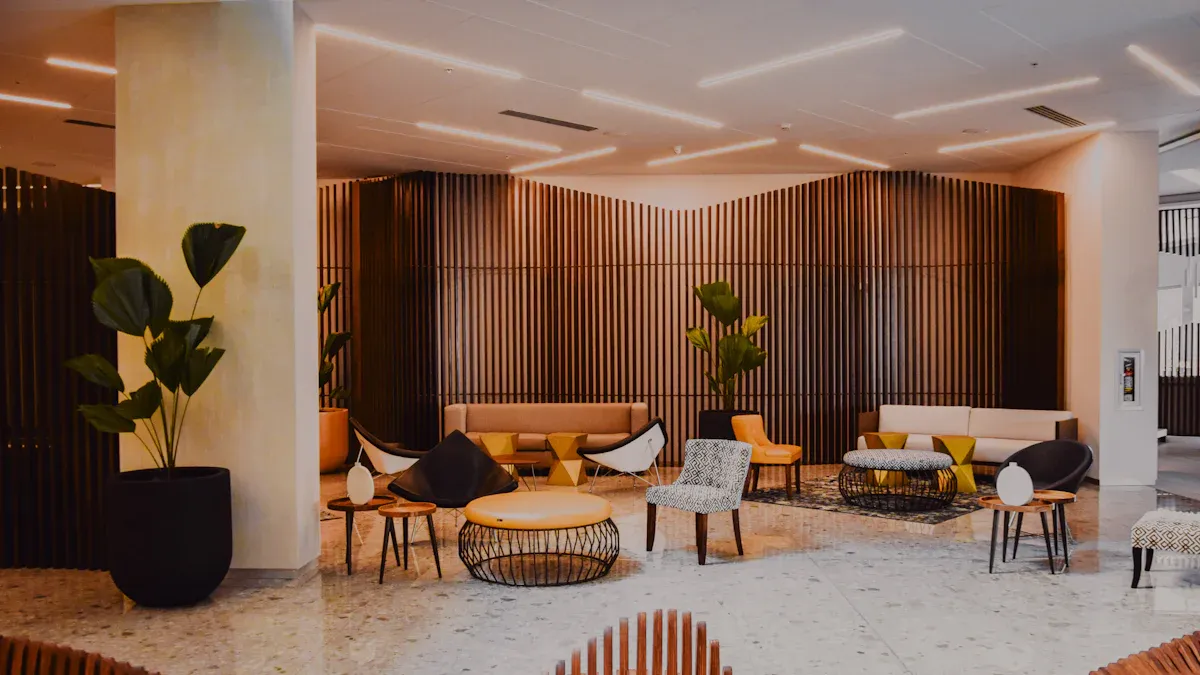
You begin your hotel project with a clear idea. This idea guides every choice you make. You need to match your hotel to the people you want to visit. You want guests to feel happy and excited when they come.
You must know who your guests are. Families, business travelers, and tourists all want different things. You learn about what they like and need. You design rooms and spaces that fit their style. You pick colors, furniture, and extras that they enjoy. When you focus on your guests, you build trust and loyalty.
You want your hotel to be different from others. You add special features that guests remember. You use unique designs, local art, or themed rooms. You offer services that other hotels do not have. You make your hotel a place guests talk about and tell friends.
When you mix your idea and vision, you make a hotel guests love. You create spaces that feel special and meet guest needs.
Element | Description |
|---|---|
Architectural Design | Shapes how guests move and feel in your hotel. |
Traffic Flow | Makes it easy for guests to find their way. |
Service Areas | Keeps operations smooth and guests happy. |
Flexibility | Lets you change spaces for events or seasons. |
Visual Identity | Builds a strong brand that guests recognize. |
Amenities | Adds value and can justify higher prices. |
Outdoor Areas | Creates memorable moments for guests. |
You need to think about architecture and interiors. These choices change how guests feel and how your hotel works.
You work with skilled designers and architects. They help you make beautiful and useful spaces. You pick partners who understand your ideas. Laicozy offers interior design help with Studio Interior-Consult. Their experts help you build spaces that show your brand and make guests happy.
Interior design and architecture make spaces guests enjoy.
Guests feel more connected when you use careful details and design.
You give guests special journeys with smart design.
You want your hotel to help the planet. You use eco-friendly materials and save energy. You design spaces that use less water and power. You protect nature and show guests you care. Green hotels attract more guests and get better reviews.
Good flow helps guests move around easily.
Sensory design uses light, sound, and materials to make memories.
You need to build a strong brand identity. This helps guests remember your hotel and feel close to it.
You use signs, logos, and colors that match your brand. You choose high-quality materials. You show you are professional and build trust. Every detail tells your brand’s story.
You plan every step of the guest’s stay. You use design, materials, and space to tell a story. You make sure guests feel welcome and important. You use guest experience planning to create moments guests will always remember.
Laicozy’s custom solutions help you match your design to your brand and guest needs. You get expert help from start to finish.
Getting design approval is a big step in your hotel project. This step checks if your plans fit your vision and all rules. You want your hotel to be special and give guests a great stay. Design approval stops expensive mistakes and helps your hotel open on time.
You must show your design to important people. These people are owners, brand representatives, architects, and local authorities. Each group wants something different. Owners look for value and good quality. Brand representatives check if you follow brand standards. Architects make sure your hotel is safe and works well. Local authorities check if you follow the rules.
You need to make clear documents and pictures. Use floor plans, mood boards, and 3D drawings. Show how your design makes guests comfortable and fits your brand. Make your presentation simple and easy to follow. Point out special features and explain how they help guests feel happy.
Tip: Bring your team together for design review meetings. Listen to feedback and answer questions. You build trust and show you care about every detail.
You must follow steps to get design approval:
Send your design package to all stakeholders.
Get feedback and write down any worries.
Change your plans based on suggestions.
Send updated designs for final approval.
Get written confirmation before moving forward.
You can use a table to track progress:
Step | Responsible Party | Status |
|---|---|---|
Initial Submission | Project Manager | Complete |
Stakeholder Review | Owners, Brand, Local | In Progress |
Revision | Design Team | Pending |
Final Approval | All Stakeholders | Pending |
You want to stop delays. Answer requests fast and keep your documents neat. Use guest experience planning to show how your design helps guests. This helps stakeholders see your hotel will attract and please visitors.
Laicozy helps you during design approval. You get custom solutions and expert interior design services. Their team helps you make spaces that show your brand and make guests happy. You feel sure your project meets all rules and gives guests a great experience.
Take action now. Prepare your design package, schedule review meetings, and partner with Laicozy for expert guidance. You move closer to opening a hotel that guests love.
You get ready for hotel construction during procurement and pre-construction. This step affects your project’s time, cost, and quality. You need good partners and smart planning. Laicozy’s turnkey hotel solution gives you many hotel supplies. This helps you avoid delays and keep costs under control.
Picking the right vendors is very important. You want partners who give good quality and are reliable. You must set clear rules and compare choices carefully.
You start by asking trusted vendors to send bids. You tell them what you need and ask for detailed plans. You use the same process for everyone. This makes things fair and easy to compare. It also helps you avoid hidden costs and surprises.
You check each proposal using your rules. You look at their experience, certifications, and money strength. You check how well they serve and if they are reliable. You make a list of things you must have and things you want:
Compliance and risk management
Service levels
Coverage and capacity
Reliability
You watch how vendors do during hotel construction. You want vendors who finish on time and give good quality every time.
Best Practices for Vendor Selection in Hotel Procurement | Description |
|---|---|
Establish Clear Selection Criteria | Use the same rules for all vendors. Look at experience, certifications, and money strength. |
Standardize RFP Processes | Use the same format and rules to compare vendors fairly. |
Monitor Vendor Performance | Check service often to make sure it is good and reliable. |
Tip: Laicozy’s team helps you set clear rules and find vendors who fit your needs. You feel calm and can control costs better.
You make a strong plan for hotel construction by following good steps. You avoid mistakes and keep your project moving.
You check what you need and follow brand rules. You count items to stop buying mistakes and help plan your budget. You talk to suppliers, check prices, and make deals. You want good hotel supplies that fit your budget. Laicozy has many choices, like furniture and guestroom items, so buying is easier.
You plan when things are made, shipped, and delivered. You face problems like site issues, supply chain problems, and rules. You must keep deliveries on time and avoid delays. Centralized buying helps you get better prices and delivery promises. You get your team ready for setup and opening.
Common logistics challenges:
Site conditions
Design feasibility
Supply chain problems
Rules and laws
Work limits
Note: Laicozy’s turnkey hotel solution makes logistics easier. You get on-time delivery and support, so you lower risks and control costs.
You set clear goals to track progress and manage costs. You plan for surprises and keep your hotel construction team ready.
You mark important steps in hotel construction:
Permits approval
Site preparation
Temporary utilities set up
Excavation finished
Foundation finished
Structural framing finished
Rough electrical finished
Rough plumbing finished
Insulation installed
You check each step to make sure your project stays on time and on budget.
You get ready for surprises. You save extra time and money. You make backup plans for supply chain problems or bad weather. You keep your team updated and ready to help.
Callout: Smart planning and strong partners like Laicozy help you beat challenges. You protect your money and get closer to opening your hotel.
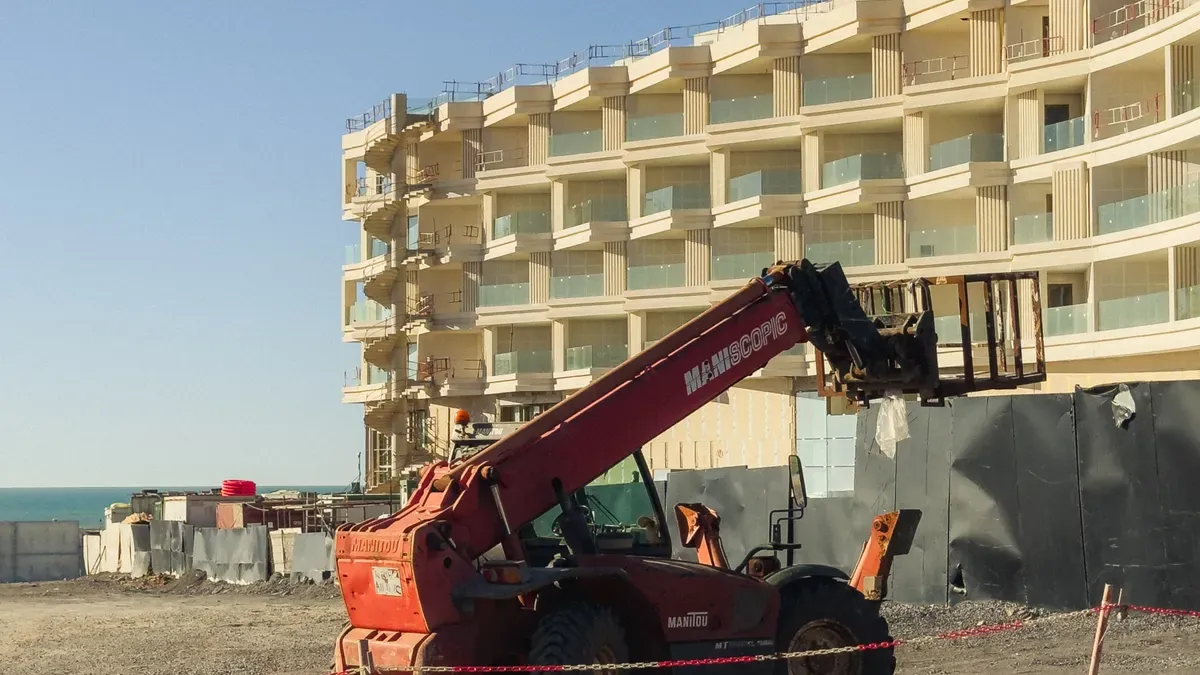
You begin hotel construction with site mobilization. This step gets your land ready for building. You clear the land and make it flat. You mark the edges of your property. Your team comes together to start work. The project manager, site supervisor, and safety manager join in. You bring in all the tools and materials you need. You set up offices and places for workers to rest. You add temporary water and power for the site. You put up safety signs and fences to keep people safe. You also add fire department connections for emergencies.
Activity | Description |
|---|---|
Site preparation | Clear land, make it flat, and mark boundaries. Stop dirt from washing away. |
Team mobilization | Bring your main team and leaders to the site. |
Equipment and materials | Bring all tools and supplies needed for hotel construction. |
Site facilities setup | Set up offices, water, power, and places for workers. |
Safety measures | Put up signs, fences, safety gear, and fire connections. |
Doing these steps helps your hotel construction start strong. You stop delays and keep everyone safe.
You must watch your hotel construction closely. This helps you keep costs low and finish on time. You check how much work is done each day. You approve payments only when work is finished. You look for problems or risks early. You make sure the work follows the contract and budget. You track spending to catch issues before they grow.
Aspect | Description |
|---|---|
Project Monitoring Methods | Use checks and steps to lower risk and keep hotel construction safe. |
Reporting Focus | Watch progress, approve payments, track costs, and spot risks. |
Oversight | Make sure the project follows the contract and stays on schedule. |
Cost Monitoring | Find problems early and stop extra costs from contractors. |
Watching the project helps everyone trust each other.
You get money from banks on time.
You keep the project healthy and lower risks.
You see how things are going and tell your team.
You check progress by looking at big steps and daily jobs. You use reports and photos to show what is done. You compare what is finished to your plan. You find delays and fix them quickly. You help your team stay focused and work hard.
You handle changes by looking at requests and making choices. You change your plan and budget if needed. You tell your team about changes right away. You keep notes so you can explain later. You protect your hotel construction process and avoid extra costs.
You must follow strict safety and compliance rules during hotel construction. You use codes like NFPA 101 for life safety. You use NFPA 13 for sprinklers and NFPA 72 for fire alarms. You make sure your building has safe exits and emergency lights. You add fire doors to keep people safe. You store dangerous materials the right way and follow all rules.
Compliance Area | Relevant Code/Standard |
|---|---|
Life Safety Compliance | NFPA 101, Life Safety Code |
Automatic Sprinkler Systems | NFPA 13 (2022 edition) |
Fire Alarm and Detection | NFPA 72, National Fire Alarm and Signaling Code |
Means of Egress | NFPA 101 Chapter 7 |
Emergency Lighting | NFPA 101 §7.9 |
Fire Doors and Assemblies | NFPA 80 |
Hazardous Materials Storage | Sub-codes for specific materials |
You keep workers and guests safe by following these rules. You avoid fines and keep your hotel construction safe. You build trust with your team and future guests.
Tip: Good safety and compliance help you save money and finish on time. You give your hotel project a better chance to succeed.
You need strong communication to keep your hotel construction project on track. Clear updates help you avoid confusion and stop mistakes before they grow. You should set up regular meetings with your team. Use these meetings to share progress, talk about problems, and review next steps. When you give updates often, you help everyone stay focused and motivated.
You can use simple tools to share news. Try group chats, emails, or project dashboards. These tools let you send quick updates about hotel construction. You can show photos, share checklists, or post new deadlines. When you keep everyone in the loop, you lower the risk of missed tasks and extra costs.
Here are some ways to improve your communication:
Make a schedule for daily or weekly updates.
Use a shared calendar for key hotel construction milestones.
Assign one person to collect and send updates.
Ask your team for feedback on what works best.
Tip: Good communication saves you time and money. You spot problems early and fix them before they affect your costs.
You should also talk with outside partners. Tell vendors, inspectors, and investors about your progress. When you share honest updates, you build trust. You also get faster answers when you need help.
Communication Tool | Best Use Case |
|---|---|
Group Chat | Quick questions and answers |
Formal updates and reports | |
Project Dashboard | Tracking hotel construction |
Video Calls | Solving complex issues |
You control your project when you control your updates. Make communication a habit, not an afterthought.
Delays can happen in any hotel construction project. You must act fast when you see a problem. If you wait, delays can grow and raise your costs. You need a plan to handle setbacks and keep your project moving.
First, find the cause of the delay. It could be weather, late supplies, or slow approvals. Write down each reason and decide how it affects your hotel construction. You should talk to your team and ask for ideas to solve the problem.
Next, use a checklist to manage delays:
Spot the delay early.
Tell your team and partners right away.
Check how the delay will change your costs and timeline.
Make a new plan to fix the problem.
Track your progress and update your plan as needed.
Alert: Delays can increase your costs if you do not act quickly. Stay alert and use backup plans to protect your budget.
You can lower the risk of delays by choosing reliable vendors and keeping extra supplies on hand. You should also save some money for emergencies. When you plan for problems, you keep your hotel construction on schedule and control your costs.
You want your building to open on time and within budget. Strong delay management helps you reach that goal. Take action now and make your hotel construction project a success.
You need good IT and networking for your hotel to work well. These systems help you with bookings, payments, and guest help. Smart technology connects all parts of your hotel construction project. The right systems make your hotel safer and help things run better.
Point-of-Sale Systems (POS)
Customer Relationship Management (CRM)
Revenue Management Systems (RMS)
Central Reservation Systems (CRS)
Channel Management Software
Wi-Fi and Connectivity Solutions
Internet of Things (IoT)
Back-Office Systems
Security Systems
Your network helps both guests and staff do their jobs. You make sure Wi-Fi is strong in every area. IoT devices let you control lights and air easily. Real-time data helps you keep your hotel construction project on track.
A property management system helps you with reservations, check-ins, and bills. PMS links the front desk, housekeeping, and maintenance teams together. You see all guest details in one place. You can check room status and handle bookings without mistakes. PMS saves time and stops errors during hotel construction and daily work.
Guest-facing technology gives guests easy ways to use hotel services. You offer mobile check-in, smart room controls, and digital keys. Guests use their phones to open doors and change room settings. Smart TVs and tablets give guests fun and information. You help guests feel comfortable and remember their stay.
You keep your hotel safe with strong security systems. Security works with mobile access, smart TVs, and property management systems. You can act fast if there is a problem and keep guests safe. Access control systems let you set who can go where. You can choose times and limit entry to some areas. This keeps your building safe and stops people from going where they should not.
Access control systems let you set rules for entry.
You can pick who gets in and when.
Security systems work with other hotel tech for better safety.
Tip: When you connect security with other systems, your hotel construction site is safer. Guests and staff trust you more.
Smart energy management saves money and helps the earth. You use systems like Verdant Energy Management to watch energy use and lower costs. You get real-time data and support for life. LED lights use less energy, saving up to 75%. Smart thermostats and motion sensors help HVAC work better. You set water heaters to no more than 60°C. Smart plugs turn off devices not being used. You teach staff and guests how to save energy.
Solution | Benefits |
|---|---|
Verdant Energy Management System | Saves energy, lowers carbon emissions, cuts utility bills, supports ESG goals, easy to install, lifetime support |
Your hotel construction project runs better with these systems. You pay less for bills and help the planet. Guests see you care about being green.
Callout: Smart systems and technology setup help your hotel work better. You make guests happier, save money, and keep your building safe.
You want your hotel construction project to run smoothly from day one. System testing makes sure every part of your building works as planned. You check all technology, safety, and energy systems before guests arrive. This step protects your investment and helps you avoid costly mistakes.
You start by making a checklist for each system. You test property management software, guest-facing tech, security systems, and energy controls. You look for errors and fix them right away. You want every device to connect and respond quickly. You also check if your systems and tech setup meets brand standards.
You follow a step-by-step process:
Review installation documents for each system.
Test hardware and software for proper function.
Simulate guest actions like check-in, room access, and Wi-Fi use.
Run safety drills with fire alarms and emergency exits.
Check energy management controls for lights, HVAC, and water heaters.
Record test results and note any issues.
Tip: You should involve your staff in system testing. They learn how to use new tools and spot problems early.
You use a table to track your progress:
System | Test Action | Status | Notes |
|---|---|---|---|
Property Management | Reservation, billing | Complete | No issues |
Guest Tech | Mobile check-in, TV | In progress | Needs update |
Security | Access control, alarms | Complete | Passed drills |
Energy Management | Thermostat, lighting | Pending | Awaiting setup |
You fix problems before opening. You repeat tests until everything works. You want guests to feel safe and comfortable. You also want your hotel construction team to trust the systems.
You should test during different times of day. You check if systems work when the hotel is busy. You also test backup power and emergency plans. You make sure your building stays safe during storms or outages.
Callout: Strong system testing gives you confidence. You avoid last-minute surprises and protect your reputation.
You finish by training your staff. You show them how to use each system. You answer questions and give hands-on practice. You build a team that responds fast and keeps guests happy.
You set your hotel construction project up for success. You make sure your systems and tech setup works perfectly. You open your building with peace of mind and ready for great reviews.
You need a strong hotel team to do well. Each staff member must have a clear job. You pick leaders for the front desk, housekeeping, food service, and maintenance. Supervisors help guide and support their teams. Everyone should know their job and how to help guests. A chain of command helps you fix problems fast. This keeps your team organized and ready for anything.
You want to hire the best people for your hotel. Look for staff who act professional and stay positive. It is important they can adapt and keep things private. You want people who respect others and work well in groups. Good communication and solving problems are key skills. Pick people who can learn new jobs and help in many areas.
You find new staff using job boards, schools, and hospitality networks. You reach out to people who like helping others. Check their references and see if they worked in hotels or customer service before. Offer chances for learning and growing. Set goals for your staff and help them learn new skills.
Key traits for hotel staff:
Professionalism
Positive attitude
Adaptability
Discretion
Interaction with fellow staff:
Respect
Team spirit
Clear communication
Conflict resolution
Cross-training
A diverse team helps you serve all guests better. Hire people from different backgrounds and cultures. Unique ideas and experiences make your hotel stronger. Train your staff to respect differences and work together. This helps your team understand what many guests need.
You train your staff so they give great service. Use programs that teach service rules and safety. Give feedback and encourage learning. Help your team grow and stay excited about their work.
Teach your staff to greet guests with a smile and guess what they need. Show them how to handle complaints in a calm way. Train them to keep guest information secret. Help them remember regular guests and make everyone feel special. Set high rules for how they look, speak, show up on time, and act responsibly.
Interaction with guests:
Warm welcome
Anticipate needs
Handle complaints gracefully
Confidentiality
Remember regulars
Level of professionalism:
Appearance
Language
Punctuality
Integrity
Responsibility
Safety is very important for your hotel. Teach your staff how to use safety tools and follow emergency plans. Practice fire, medical, and security drills often. Train your team to keep guests and themselves safe. This builds trust and keeps your hotel safe.
Tip: Keep training and giving feedback all the time. This helps your staff stay ready and keeps guests happy.
You build a good workplace by supporting teamwork and sharing knowledge. Celebrate small wins and cheer your staff on. Open talks help stop mistakes and fix problems faster. A culture of encouragement helps everyone work better. Your hotel becomes a place where staff feel proud and guests feel welcome.
You want your hotel to stand out. A strong workplace culture helps you reach that goal. When you build a positive culture, your staff feels proud and guests notice the difference. You create a place where people want to work and guests want to stay.
A good workplace culture starts with respect. You treat every team member fairly. You listen to their ideas and encourage them to share. You celebrate small wins and thank your staff for their hard work. You show that every person matters.
You build trust by keeping your promises. You give clear instructions and honest feedback. You help your staff learn new skills and grow in their jobs. You reward teamwork and support people who help others. You set clear rules so everyone knows what to expect.
Tip: When you praise your staff, you boost their confidence. Happy staff give better service and make guests feel welcome.
You can use simple steps to improve your workplace culture:
Set clear goals for your team.
Hold regular meetings to share news and solve problems.
Offer training and chances to learn new skills.
Celebrate birthdays, work anniversaries, and achievements.
Encourage staff to help each other and share ideas.
Create a safe space for feedback and questions.
Action | Benefit |
|---|---|
Team meetings | Better communication |
Training sessions | Higher skill levels |
Celebrations | Stronger team spirit |
Open feedback | More trust and honesty |
You want your staff to feel like part of a family. When you build a culture of support, your team works harder and stays longer. You lower staff turnover and save money on hiring. You also get better reviews from guests who notice the friendly atmosphere.
You can partner with experts like Laicozy to help you build a strong workplace culture. Laicozy offers guidance, training tools, and support for your hotel team. You get advice on how to motivate your staff and create a welcoming environment.
Call to Action: Start building your workplace culture today. Set clear goals, celebrate your team, and ask for feedback. Reach out to Laicozy for expert help and resources. You will see your hotel grow and your guests return again and again.
You need a strong marketing plan before your hotel opens. This plan helps you build excitement and attract your first guests. You want people to know your hotel, trust your brand, and book rooms early. A good plan gives you a head start and sets you apart from other hotels.
You can reach many guests with digital campaigns. Use social media to show your hotel’s best features. Post photos of your rooms, lobby, and dining spaces. Share stories about your team and your journey. Run contests or giveaways to get people talking about your opening.
You should also use email marketing. Send updates to people who sign up on your website. Offer special rates for early bookings. Use clear calls to action like “Book Now” or “Join Our VIP List.” You can also use online ads to target travelers in your area.
Tip: Use hashtags and location tags to reach more people. Ask guests to share their experiences online.
You can grow faster by building partnerships. Work with local businesses, travel agents, and event planners. Offer special deals for their customers. Team up with restaurants, tour guides, or taxi services. These partners can send guests your way and help you fill rooms.
You can also join forces with influencers or bloggers. Invite them to visit your hotel and share their honest reviews. Their followers will trust their opinions and want to try your hotel.
Partnership Type | Benefit |
|---|---|
Local Businesses | More guest referrals |
Travel Agents | Access to new markets |
Influencers/Bloggers | Increased online visibility |
Call to Action: Reach out to partners now. Build strong relationships before your grand opening.
You want to start earning money as soon as you open. Set your room rates based on market research. Offer early bird discounts to attract your first guests. Use packages that include breakfast, parking, or local tours. These offers make your hotel more attractive.
Train your sales team to answer questions and close bookings. Use booking engines and online travel agencies to reach more people. Track your sales daily and adjust your strategy if needed.
Note: Laicozy can help you set up guestroom amenities and supplies that boost your value and guest satisfaction.
A soft opening lets you test your hotel before the big day. You invite a small group of guests to stay and try your services. This step helps you find and fix problems early.
Ask your first guests for honest feedback. Give them surveys or ask them in person. Listen to their ideas and thank them for their help. Use their comments to improve your service and fix any issues.
Use the soft opening to train your staff and test your systems. Check if everything works well, from check-in to housekeeping. Make changes based on what you learn. This tuning helps you deliver a perfect experience when you open to the public.
Take Action: Plan your soft opening with care. Use feedback to make your hotel the best it can be. Trust partners like Laicozy to support you every step of the way.
Your grand opening event is the start of your hotel’s story. You want people to feel excited and remember this day. This event lets you show off your hotel’s best parts and welcome your first guests. You can get people talking, bring in the news, and show what your brand is about.
You need to plan each part carefully. Pick a date that works for your team and the community. Choose a theme that matches your hotel’s style and guests. Invite local leaders, influencers, and business partners. Ask travel agents and bloggers to come. Send out invitations early so everyone can plan to attend.
A checklist helps you organize your grand opening:
Pick your event date and theme.
Make a guest list with VIPs, media, and partners.
Write press releases and prepare media kits.
Decorate your hotel to match your brand.
Plan fun entertainment, food, and drinks.
Set up guided tours for your guests.
Add a photo booth or selfie spot.
Give special deals or prizes for opening day.
Train your staff to greet and help guests.
Take photos and videos to share online.
Tip: Post live updates on social media during your event. Use hashtags and tag local businesses to reach more people.
You can make your grand opening special with unique ideas. Have a ribbon-cutting ceremony. Invite a local celebrity or performer. Let guests try your best dishes or drinks. Give special packages to people who come. Ask guests to post about their visit online.
Grand Opening Element | Benefit |
|---|---|
Ribbon Cutting | Makes a moment to remember |
Guided Tours | Shows your hotel’s best parts |
Live Entertainment | Brings fun and excitement |
Special Offers | Gets people to book early |
Media Coverage | Helps more people hear about you |
You want your event to go well. Give your staff extra training. Make sure everyone knows what to do. Test your systems and guest services before the big day. Use feedback from your soft opening to fix any problems.
You can work with experts like Laicozy for event planning and hotel supplies. Laicozy gives you everything you need to make your hotel look great. Their team can bring custom amenities, stylish furniture, and help for your grand opening.
Call to Action: Start planning your grand opening now. Make an event guests will always remember. Contact Laicozy for expert help and quality hotel solutions. Your hotel deserves a celebration that starts your brand with confidence and style.
You need to check how your hotel is doing after it opens. Performance metrics are numbers that show if your hotel is doing well. These numbers help you make smart choices and get better. You can see what is working and what needs to change.
Metric | Results |
|---|---|
Average ADR (€) | €90.37 |
Average Occupancy (%) | 87.47% |
Average Revenue Increase (%) | +13.07% |
You should look at more than just numbers. Today, guests want special stays and easy service. They also want to use technology during their visit. Guests want to feel important and cared for. Hotels that focus on guest experience get better reviews and loyal guests. You can give guests rooms they like, fast check-in, and fun things to do.
Guest experience is more important than just filling rooms. You need to make stays that guests remember. This makes them want to come back and tell others. When you track these numbers, you learn what works and what needs to get better.
Tip: Use these numbers to help your team do well. Celebrate when you do a good job and fix problems fast. This helps you build a hotel that guests enjoy.
You must listen to what your guests say. Guest feedback tells you what people like and what you should fix. You can ask for feedback with surveys, online reviews, or by talking to guests. Make it simple for guests to share their thoughts.
Ask guests for feedback when they check out.
Watch online reviews on sites like TripAdvisor and Google.
Reply to comments quickly and thank guests for sharing.
Use feedback to teach your staff and make things better.
When you use guest feedback, you show you care about guests. Guests feel important and want to come back again. You can find problems early and fix them before they grow. Good feedback helps your hotel look good and brings in new guests.
Callout: Guest feedback helps your hotel grow. Use it to make your hotel better every day.
You need to check how your hotel works all the time. Operational audits help you find problems and fix them. You can look at housekeeping, maintenance, front desk, and food service. Make a checklist for each group and check their work.
Check how staff do their jobs and if they are trained.
Make sure safety rules are followed.
Look at guest rooms and public spaces to see if they are clean.
Test things like Wi-Fi, security, and energy systems.
You can use post-opening reviews to see how your hotel is doing. Audits help you keep your hotel nice and guests happy. When you fix problems early, you save money and protect your hotel’s name.
Note: Regular audits help your hotel run well. They help you stay ahead and give guests a great stay.
You want your hotel to get better with every project. Learning from your experience helps you avoid mistakes and reach higher goals. After your hotel opens, you should look back and see what worked and what did not. This step gives you the power to grow and lead in the market.
Start by gathering your team. Ask everyone to share their thoughts. Listen to your managers, staff, and even your guests. Each person sees things from a different view. You get a full picture when you collect feedback from all sides.
Tip: Write down every lesson, big or small. Even small changes can make a big difference next time.
Here are smart ways to capture lessons learned:
Hold a meeting with your team after the opening.
Ask each department to list what went well and what needs to improve.
Review guest comments and online reviews.
Check your project timeline and budget for any surprises.
Look at your training and see if your staff felt ready.
You can use a simple table to organize your findings:
What Worked Well | What Needs Improvement | Action for Next Project |
|---|---|---|
Fast check-in process | Room cleaning speed | Add more housekeeping staff |
Friendly staff | Wi-Fi setup delays | Test systems earlier |
Guestroom comfort | Signage for directions | Update signs before opening |
You should share these lessons with your team and partners. When you talk about what you learned, you help everyone do better next time. You also build trust and show you care about growth.
Do not keep your lessons to yourself. Use them to update your training, change your plans, and set new goals. You can even share your best ideas with other hotels in your group. This makes your whole brand stronger.
Alert: If you skip this step, you may repeat the same mistakes. Take time for post-opening reviews and you will see better results in the future.
You can work with expert partners like Laicozy to turn lessons into action. Their team helps you review your project and find ways to improve. You get support for your next hotel project and keep moving forward.
Take charge of your growth. Learn from every project and make your next hotel even better.
You need good communication to do well in hotel projects. Clear updates help your team avoid mistakes and finish work on time. You should have regular meetings with your staff and partners. Use easy tools like group chats or shared calendars to keep everyone in the loop. When you share news often, you build trust and fix problems faster.
You can use a checklist to make your communication better:
Have team meetings every day or week.
Send short updates about what is happening.
Ask your staff and partners for their thoughts.
Use charts or dashboards to show progress.
Tip: Good communication helps you find problems early. You can fix small issues before they get bigger.
You need to stay flexible during your hotel project. Plans can change quickly. You might have delays, supply problems, or new rules. If you adapt fast, your project keeps moving. Always have backup plans for important steps. When you work on a renovation, you may find surprises in the building. Be ready to change your schedule and budget.
Here are ways to make your project more flexible:
Save extra time and money for emergencies.
Pick vendors who can handle changes.
Teach your team to switch jobs when needed.
Check your plan often and update it as you go.
Alert: Flexibility keeps your money safe. You avoid big losses when you can change plans fast.
You can make your hotel project better with smart technology. Use project management software to track tasks, costs, and time. Digital tools help you see progress right away. You can share updates with your team and partners from anywhere. Technology also helps you manage hotel supplies and guest needs.
Tool Type | Benefit |
|---|---|
Project Management Apps | Track tasks and deadlines |
Communication Platforms | Share news and updates |
Inventory Systems | Control hotel supplies |
Guest Experience Tools | Improve guest satisfaction |
You should teach your staff how to use these tools. When everyone knows how to use technology, hotel project management gets easier. You save time, spend less money, and give guests a better stay.
Call to Action: Start using digital tools now. You will see faster results and make fewer mistakes.
You cannot succeed alone in the hotel business. You need strong partnerships to make your hotel project a success. Good partners help you solve problems, save money, and finish on time. They bring skills and resources you do not have. You get better results when you work with experts.
Start by choosing partners who share your vision. Look for companies that care about quality and service. Pick suppliers who deliver on time and stand by their products. Choose designers who understand your brand and your guests. Work with contractors who have a good record. When you build trust with your partners, you avoid surprises.
Tip: Meet with your partners often. Share your goals and listen to their advice. You build stronger relationships when you communicate clearly.
You should look for partners who offer more than just products. The best partners give you ideas and support. They help you plan, design, and solve problems. They answer your questions and help you make smart choices. You get peace of mind when you know your partners have your back.
Here are ways strong partnerships help your hotel project:
You get better prices and save money.
You finish your work faster.
You avoid mistakes and delays.
You learn from experts.
You get new ideas for your hotel.
You can use a table to compare what strong and weak partnerships look like:
Strong Partnership | Weak Partnership |
|---|---|
Open communication | Poor updates |
Shared goals | Different priorities |
Reliable delivery | Missed deadlines |
Expert advice | Little support |
Problem-solving mindset | Blame and excuses |
You should choose partners who want you to win. They care about your guests and your brand. They help you grow and improve. You get more value from your investment.
Laicozy is a partner you can trust. Their team supports you from start to finish. You get expert advice, quality supplies, and custom solutions. Laicozy helps you avoid common mistakes and reach your goals faster.
Call to Action: Build strong partnerships today. Reach out to trusted experts like Laicozy. You will see better results and enjoy a smoother hotel project.
You see guests care more about the planet every year. They want hotels that protect nature and use resources wisely. You can lead the way by making your hotel greener. When you choose eco-friendly options, you save money and attract more guests.
Use LED lights and smart thermostats to cut energy bills.
Pick furniture and supplies made from recycled materials.
Set up water-saving showers and toilets in every room.
Offer recycling bins in guest rooms and public spaces.
Tip: Show your green efforts on your website and in your lobby. Guests love to see your commitment.
You can also earn green certifications. These awards help you stand out. Many travelers look for hotels with eco-labels. You can join programs like LEED or Green Key. These steps show you care about the future.
Laicozy helps you find sustainable hotel supplies. You get access to eco-friendly furniture, energy-saving equipment, and green amenities. You make a smart choice for your business and the planet.
You live in a digital world. Guests expect fast service and smart technology. You can use digital tools to make your hotel run better and impress your guests.
Add mobile check-in and digital room keys.
Use smart TVs and voice assistants in guest rooms.
Set up online booking and payment systems.
Install property management software for smooth operations.
Alert: Hotels with strong technology get better reviews and more repeat guests.
You can also use apps to connect with guests. Send welcome messages and offer room upgrades. Let guests order room service from their phones. These tools make stays easier and more fun.
Laicozy offers the latest hotel technology solutions. You get expert advice on what systems fit your hotel best. You stay ahead of the competition and give guests what they want.
You must understand what guests want today. They look for comfort, speed, and personal touches. You can win their loyalty by meeting these needs every time.
Give fast Wi-Fi in every room.
Offer flexible check-in and check-out times.
Provide healthy food choices and local flavors.
Make every guest feel special with a welcome gift or note.
Guest Expectation | How You Can Meet It |
|---|---|
Fast Service | Use mobile check-in and quick staff |
Personal Experience | Offer custom amenities and gifts |
Clean, Safe Spaces | Follow top cleaning standards |
Local Connection | Share tips about the area |
Call to Action: Ask guests for feedback after their stay. Use their ideas to improve your hotel.
You can partner with Laicozy to meet and exceed guest expectations. Their team helps you choose the right amenities, supplies, and services. You build a hotel that guests remember and recommend.
You want your hotel to stand out and grow. Data analytics gives you the power to make smart choices every day. When you use data, you see what guests like, spot trends, and fix problems before they grow. You do not have to guess. You use facts to guide your hotel project from start to finish.
With data analytics, you can:
Track bookings and see which rooms guests love most.
Watch guest reviews and find out what makes people happy.
Check how much money you make each day, week, or month.
See which services guests use most, like the gym or restaurant.
Spot slow times and plan special offers to fill rooms.
Tip: Use data to set the right prices. When you know what guests want, you can charge more for popular rooms and offer deals when bookings slow down.
You can use simple dashboards to see your hotel’s numbers. These tools show you charts and graphs that are easy to read. You do not need to be a tech expert. You just need to look at the numbers and take action.
Data You Can Track | What You Learn | How It Helps You Win |
|---|---|---|
Room Occupancy | Which days are busy or slow | Plan staff and set prices |
Guest Satisfaction | What guests like or dislike | Improve service and reviews |
Revenue Per Room | How much money each room brings in | Boost profits |
Service Usage | Which extras guests use most | Offer better packages |
You can also use data to plan your next hotel project. Look at what worked before. See which designs, amenities, or services brought in the most guests. Use this knowledge to make your next hotel even better.
Laicozy helps you use data analytics in your hotel projects. Their team shows you how to track the right numbers and use them to grow. You get expert advice and tools that fit your needs.
Call to Action: Start using data analytics now. Watch your hotel improve, make smarter choices, and stay ahead of the competition. Contact Laicozy to learn how you can use data to build a hotel guests love.
You want your hotel to start well and make guests happy. Good project management shows you what to do next. Use smart steps and be ready for changes in the hotel world. Trust expert partners like Laicozy for full help and support.
Ready to take the next step?
Contact Laicozy for expert guidance.
Explore more hotel project resources online.
Start planning your winning hotel today!
You must start with a clear plan. Good planning helps you avoid mistakes and save money. You set goals, pick the right team, and choose expert partners like Laicozy. This step gives your hotel project the best chance for success.
You track your spending every week. You use a budget and check prices before you buy. You choose trusted suppliers. Laicozy offers quality hotel supplies at fair prices. You avoid surprises and keep your project on budget.
Turnkey solutions save you time and stress. You get everything you need from one partner. Laicozy handles design, supplies, and setup. You open your hotel faster and with less risk. You focus on your guests, not on problems.
You create a unique guest experience. You use custom designs, special amenities, and local touches. Laicozy helps you pick furniture and supplies that match your brand. You impress guests and earn great reviews.
You get expert advice, quality products, and full support. Laicozy offers custom solutions for every hotel. You save time, avoid mistakes, and open with confidence. You build a hotel guests love.
You follow all local rules and codes. You get the right permits and check your building often. Laicozy guides you through compliance and supplies safe, approved products. You protect your guests and your investment.
You start marketing before you open. You build excitement with digital campaigns and partnerships. You use Laicozy’s stylish supplies to show off your hotel in photos. You attract guests early and fill your rooms fast.