Hotel Housekeeping Terms And Abbreviations
Views: 79 Author: Site Editor Publish Time: 2025-12-17 Origin: Site


You see many hotel housekeeping words and short forms every day. These words help you talk with your team and fix problems quickly. Here are some you often see:
Turndown service
Attendant’s Closet
Caddy
Housekeeping asset
Linen asset
Maintenance asset
Overstock
Squeegee
Under-stocked
Zero waste
DND
Knowing these words makes daily and big cleaning jobs easier. Look at the table below to learn how these words help your hotel do better:
| Benefit | Why It Matters |
|---|---|
| Efficient housekeeping strategies | Smooth hotel operations |
| Teams keep hygiene standards high | Guests stay happy |
| Teams across departments work together | Communication gets easier |
Use this list as your fast guide every day.
Get to know common housekeeping terms. This helps you talk better with your team and work faster in your hotel.
Learn room status codes. These codes help you see if a room is ready, needs cleaning, or cannot be used.
Use checklists every day. Checklists help you stay organized and make sure you finish all your jobs without forgetting anything.
Use Laicozy's ergonomic carts. These carts make cleaning easier and help you answer guest requests more quickly.
Practice using abbreviations with your team. This makes talking with your team clearer and helps you work faster in housekeeping.
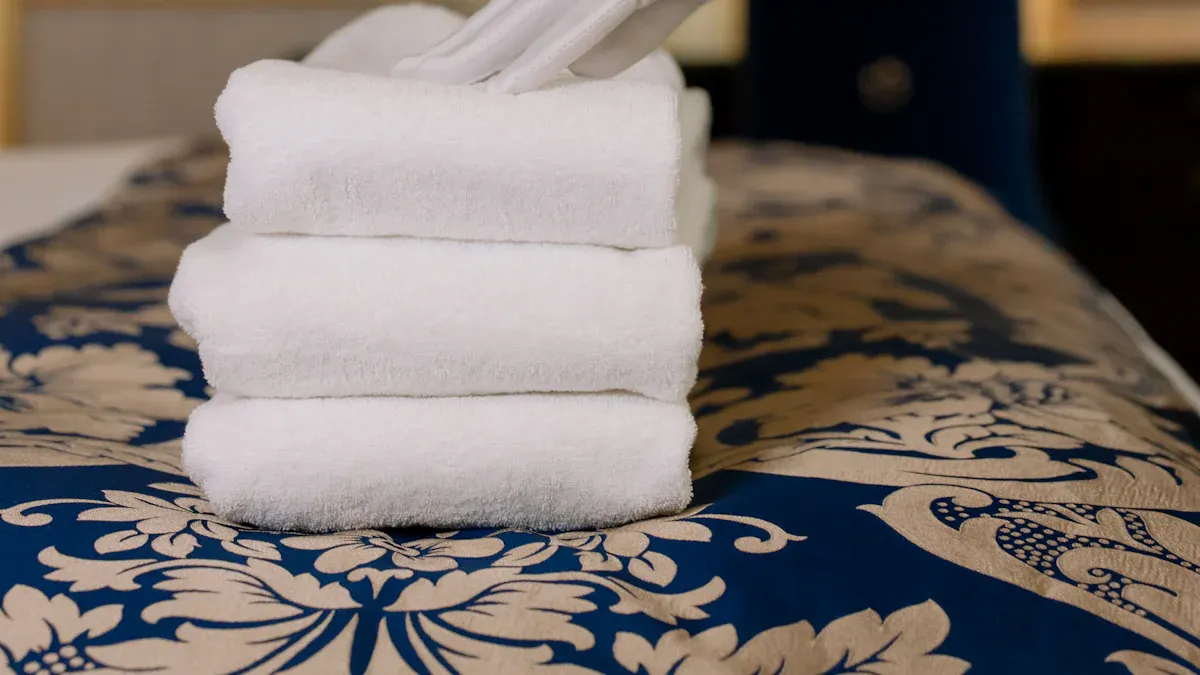
When you work in hotel housekeeping, you see lots of codes and abbreviations every day. These housekeeping terms help you know what’s happening in each room. If you learn these codes, you can talk with your team faster and avoid mistakes.
You use room status codes to show if a room is ready, needs cleaning, or has a problem. Here’s a table to help you remember what each code means:
| Code | Description |
|---|---|
| OC | Occupied: Guest is staying in the room. |
| VC | Vacant Clean: Room is empty and clean, ready for a new guest. |
| VO | Vacant Dirty: Room is empty but needs cleaning. |
| OOO | Out of Order: Room is not available because of repairs. |
| OOS | Out of Service: Room is not available for a short time (small fixes). |
| DND | Do Not Disturb: Guest wants privacy, no cleaning needed. |
| CL | Clean: Room is ready for a guest. |
| DL | Dirty: Room needs cleaning. |
| LL | Lockout: Room is locked for safety or payment issues. |
| SK | Skip: Room will not be cleaned today. |
| PN | Pending: Room is waiting for repairs or cleaning. |
You also see these codes a lot:
OCC: Guest is in the room.
VAC: Room is empty and clean.
OOO: Room is not sellable because of big problems.
OOS: Room is not available for small repairs.
Sometimes, you see special codes for guest arrivals and departures:
EAR: Early Arrival – Guest comes before check-in time.
LATE: Late Departure – Guest leaves after check-out time.
NO SHOW: Guest did not arrive.
CANCEL: Reservation is cancelled.
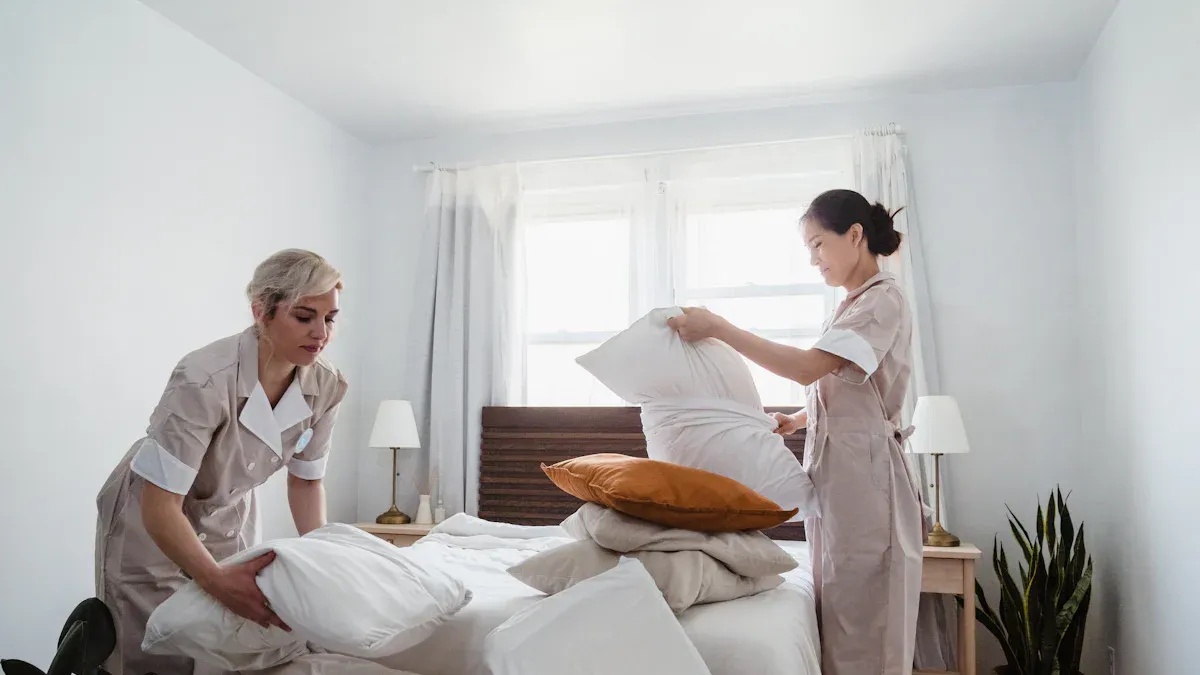
You use abbreviations in housekeeping to save time. Here are some common ones and what they mean:
| Abbreviation | Definition |
|---|---|
| CI | Room is ready for check-in. |
| CO | Guest has left, room needs cleaning before next guest. |
| SO | Sleep Out – Room is occupied, but bed was not used. |
| DO | Due Out – Room will be empty soon after guest leaves. |
| DL | Double Lock – Guest locked the room for extra safety. |
You also see these abbreviations used in daily hotel housekeeping:
M/U: Room needs cleaning after guest leaves, but not a full turnover.
CS: Guest stays for several nights, no cleaning needed.
DS: Guest wants full cleaning service.
DND: Guest wants privacy, no cleaning.
DL: Guest locked themselves out or has a security concern.
Let’s look at how you use these codes in your daily work:
You see “OCC” on your list. You know a guest is inside, so you skip cleaning.
You see “VC” and grab your cleaning supplies. The room is ready for you to clean and prepare for the next guest.
“OOO” pops up. You tell maintenance because the room has a big problem.
“OOS” means you wait for a quick fix before cleaning.
If you see “DND,” you respect the guest’s privacy and move to the next room.
Sometimes, you find “Sleep Out with Luggage.” The guest hasn’t checked out, so you don’t clean yet.
“Sleep Out with No Luggage” means you need to check with the front desk. The room might be ready for a new guest.
You need to update these codes quickly. If you don’t, guests might get the wrong room or wait too long. Sometimes, mistakes happen because of system errors or training gaps. You can avoid these problems by double-checking your work and talking with your team.
You want to clean rooms quickly and keep guests happy. Laicozy’s housekeeping carts and supplies make your job easier. Their carts have labeled compartments, so you find what you need fast. You spend less time looking for supplies and more time cleaning. In busy hotels, these carts help you finish your work faster and save energy. Laicozy’s carts have adjustable dividers and smart layouts. You can organize your cleaning tools and move from room to room without wasting time.
If your hotel uses digital housekeeping systems, you get real-time updates. You know when a guest leaves, and you can clean the room right away. The front desk sees your updates, so everyone works together smoothly.
Tip: Learn the most common abbreviations used in housekeeping. Practice with your team and use checklists. This helps you avoid mistakes and keeps your hotel running smoothly.
If you know these housekeeping terms and codes, you work better and help your hotel give great service. You make sure every guest gets a clean, safe room.
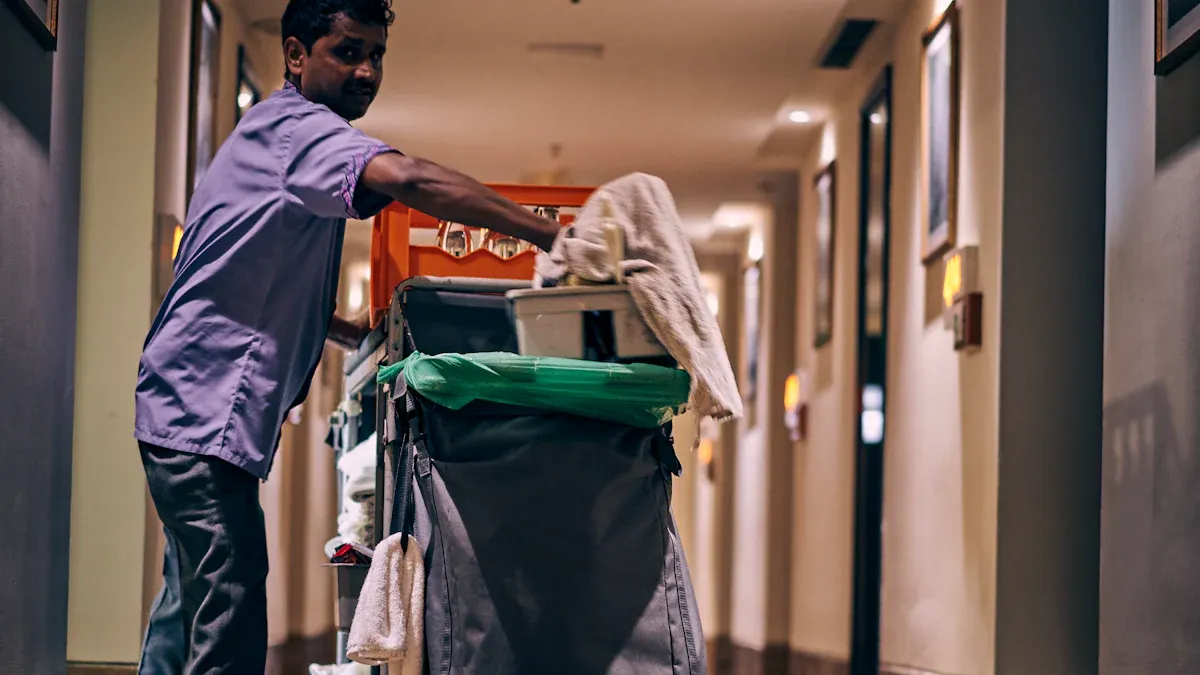
When you work in hotel housekeeping, you handle many tasks every day. You need to know the right procedures and codes to keep everything running smoothly. If you understand these terms, you can respond quickly to guest requests and keep rooms in top shape.
You see cleaning procedure terms and abbreviations all the time. These help you know what needs to be done and how fast you should work. Here’s a table to help you remember the most common ones:
| Term/Abbreviation | Definition |
|---|---|
| DND (Do Not Disturb) | Guest wants privacy. You skip cleaning for now. |
| MUR (Make-Up Room) | Room needs cleaning while guest is staying. |
| TURNDOWN | You prepare the room for the night, like folding blankets and dimming lights. |
| TAT (Turnaround Time) | Time it takes to clean and prepare a room after check-out. |
| ASAP | You need to finish the task as soon as possible. |
| NY | Not Yet – Task is pending or not started. |
| FU | Follow Up – You need to check back on a request or issue. |
| FYI | For Your Information – Used to share important updates. |
| Deep Cleaning | You do a full, detailed cleaning, not just the basics. |
| Inventory Control | You check supplies like towels and soap to make sure nothing runs out. |
| Preventive Maintenance | You fix small problems before they get bigger. |
| Room Status Report | You update the front desk about each room’s condition. |
You use these terms every day. For example, when you see "DND," you know not to enter the room. If you get a "MUR" request, you clean the room while the guest is still staying. "TURNDOWN" means you make the room cozy for the night. You track "TAT" to see how fast you finish cleaning after guests check out. If your supervisor says "ASAP," you know to hurry.
Hotels use step-by-step instructions and checklists to make sure every room attendant follows the same process. These instructions help you avoid mistakes and keep guests happy. You see checklists for cleaning tasks, inventory control, and maintenance. If you follow these lists, you keep the hotel looking great and make sure every guest enjoys their stay.
Laicozy’s cleaning equipment and ergonomic carts help you work faster and safer. You can move supplies easily from room to room. The carts have organized compartments, so you find what you need without searching. You save time and energy, especially in busy hotels. If you use Laicozy carts, you can set up rooms quickly, restock amenities, and manage waste efficiently. You help keep the hotel clean and welcoming for every guest.
Tip: Use your checklist every day. Mark off each task as you finish it. This helps you stay organized and makes sure nothing gets missed.
Hotels measure how well you do your job by tracking cleaning times, room scores, and guest feedback. If you finish rooms quickly and keep them spotless, you help the hotel get better reviews. You also see digital systems that track your progress in real time. These tools help you and your team work together and improve every day.
You get many requests from guests during their stay. You need to know the right codes so you can respond quickly and keep guests satisfied. Here are some common guest request codes you see in hotel housekeeping:
SR (Special Request): Guest asks for something extra, like more towels or pillows.
LR (Late Request): Guest asks for service after regular hours.
VIP: Very Important Person – Guest gets special attention and extra amenities.
RS (Room Service): Guest wants food or drinks delivered to their room.
You also see other codes that help you know what guests need:
OOO – Out of Order: Room needs major repairs.
OOS – Out of Service: Room blocked for quick fixes.
DND – Do Not Disturb: Guest wants privacy.
DL – Double Lock: Guest locked the room from inside.
VC – Vacant Clean: Room is clean but not inspected.
V-IP – Vacant Inspected: Room is ready for check-in.
OC – Occupied Clean: Guest is staying, room is clean.
OD – Occupied Dirty: Guest is staying, room needs cleaning.
SO – Slept Out: Guest paid but didn’t sleep in the room.
Skipper: Guest left without paying.
Stay Over (S/O): Guest stays another night.
PPM – Planned Preventive Maintenance: Room blocked for scheduled maintenance.
DO – Due Out: Guest will check out today.
NGNL – No Guest / No Luggage: Name in system but no guest or luggage found.
NS – No Show: Guest reserved but did not arrive.
VIP Arrival: VIP guest arriving today.
VIP In-house: VIP guest currently staying.
If you see "VIP Arrival," you prepare the room with extra care. You might add special amenities or decorations. For "SR," you bring what the guest asked for right away. If you get an "LR," you respond even if it’s late in the day. You use these codes to keep track of requests and make sure every guest feels valued.
Laicozy’s ergonomic carts help you respond to guest requests faster. You can carry extra supplies, special amenities, and room service items with ease. The carts help you stay organized, so you don’t waste time searching for what you need. You keep guests happy and make their stay more comfortable.
Hotels use checklists and digital tracking to measure how quickly you respond to requests. If you answer requests fast and keep rooms clean, you help the hotel get better guest satisfaction scores. You see feedback from guests and supervisors, which helps you improve your service.
Note: Always double-check guest requests before you deliver. If you make sure everything is correct, you avoid mistakes and keep guests smiling.
If you learn these housekeeping procedures and codes, you become a better room attendant. You help your hotel run smoothly and make every guest’s stay special. You use the best tools, like Laicozy’s carts, to work faster and safer. You keep the hotel clean, organized, and ready for every guest.
When you work in hotel housekeeping, you see lots of codes and short forms every day. These common hotel abbreviations help you talk with your team and keep things running smoothly. If you know the hotel abbreviations list, you can avoid mistakes and finish your tasks faster.
You work with many departments in a hotel. Each department uses its own codes. Here are some you see often:
| Abbreviation | Term | Meaning |
|---|---|---|
| ACCT | Accounting | Handles money and payments for the hotel. |
| HK | Housekeeping | Keeps rooms and public areas clean and tidy. |
| SUP | Supervisor | Leads the housekeeping team and checks your work. |
| AM | Morning Shift | Staff working in the morning. |
| PM | Evening Shift | Staff working in the evening. |
| FBP | Food & Beverage | Manages food service in the hotel. |
You use these codes to know who does what and when. If you see "SUP" on your schedule, you know your supervisor will check your rooms. "AM" and "PM" help you know which shift you work. You see "ACCT" when you handle lost-and-found items or guest payments.
Hotels keep a hotel abbreviations list for all staff. You can check this list if you forget a code. Teams review these codes in meetings, so everyone uses the same words. You also see reference guides in staff rooms to help you remember.
You use communication abbreviations every day. These codes help you share updates fast and avoid confusion. Here’s a table with some you see most:
| Abbreviation | Term | Meaning |
|---|---|---|
| CI | Check-In | Room is ready for a new guest. |
| CO | Check-Out | Guest has left, room needs cleaning. |
| DND | Do Not Disturb | Guest wants privacy, skip cleaning. |
| OOO | Out of Order | Room needs repairs, not ready for guests. |
| UR | Under Repair | Room is being fixed, not ready to sell. |
| V | Vacant | Room is empty, ready for cleaning or guests. |
| OCC | Occupied | Guest is staying in the room. |
| M/U | Make-up Room | Room needs cleaning after guest leaves. |
| CS | Clean Stayover | Guest stays multiple nights, no cleaning needed. |
| DS | Dirty Stayover | Guest wants full cleaning during their stay. |
| DL | Double-Locked | Security concern or guest locked out. |
You use these codes to update the front desk and your team. If you see "DND," you skip the room. "CO" means you need to clean the room for the next guest. These abbreviations help you finish your work faster and reduce mistakes.
Quick tip: Keep a one-page hotel abbreviations list in your pocket. Review it with your team and check it before you start your shift.
Clear communication helps you and your team work better. When everyone uses the same codes, you avoid confusion and keep guests happy. Hotels track key performance indicators using these abbreviations, so you know how well you’re doing.
Laicozy’s housekeeping carts make your job easier. The carts have organized shelves and smooth wheels. You can move supplies quickly and keep everything in order. This helps you respond to service requests fast and keeps your workflow smooth.
| Feature | Benefit |
|---|---|
| Organized Cleaning Solutions | Shelves and bags keep supplies sorted, making housekeeping faster and easier. |
| Enhanced Mobility | Wheels help you move carts through hallways and tight spaces, so you deliver service quickly. |
If you use the right abbreviations and tools, you help your hotel run smoothly. You keep rooms clean, guests happy, and your team working together.
You notice how important housekeeping is when you enter a guest room. If you know the right words, you help your team work quickly. This helps every check-out go well. When you use these words, guests have a better stay. They feel happy and give good reviews. You also help the hotel earn more money. More rooms get filled because each one is ready for guests. Here’s why learning these words is important:
You move around the hotel easily.
You talk clearly with your team.
You help guests have a great stay.
You do well in your hotel job.
Using housekeeping words helps you keep guests happy. Every room is ready for check-out. Keep learning new words and use a glossary to remember them. When you use Laicozy’s supplies, you clean rooms faster. Every room looks great for the next guest. Housekeeping is important for rates and prices. If you know the words and care about guests, prices and average daily rate get better.
"OOS" stands for "Out of Service." You use this code when a room needs small repairs or quick fixes. The room is not ready for guests until you finish the work.
You save time and avoid mistakes when you know these codes. You talk clearly with your team. You also help guests get better service. Everyone works faster and smarter.
Laicozy carts keep your supplies organized. You move faster from room to room. The carts have strong wheels and smart layouts. You spend less time searching for tools and more time cleaning.
"DND" means "Do Not Disturb." You skip the room.
"MUR" means "Make-Up Room." You clean the room while the guest stays.
You can check your hotel’s staff handbook. Many hotels post a glossary in the staff room. You can also bookmark this blog for quick reference.